Climate Controlled vs Standard Storage in Saudi Arabia
Is climate controlled storage worth it in Saudi Arabia's extreme heat? Compare both options honestly and find the right WheeKeep unit for your belongings.
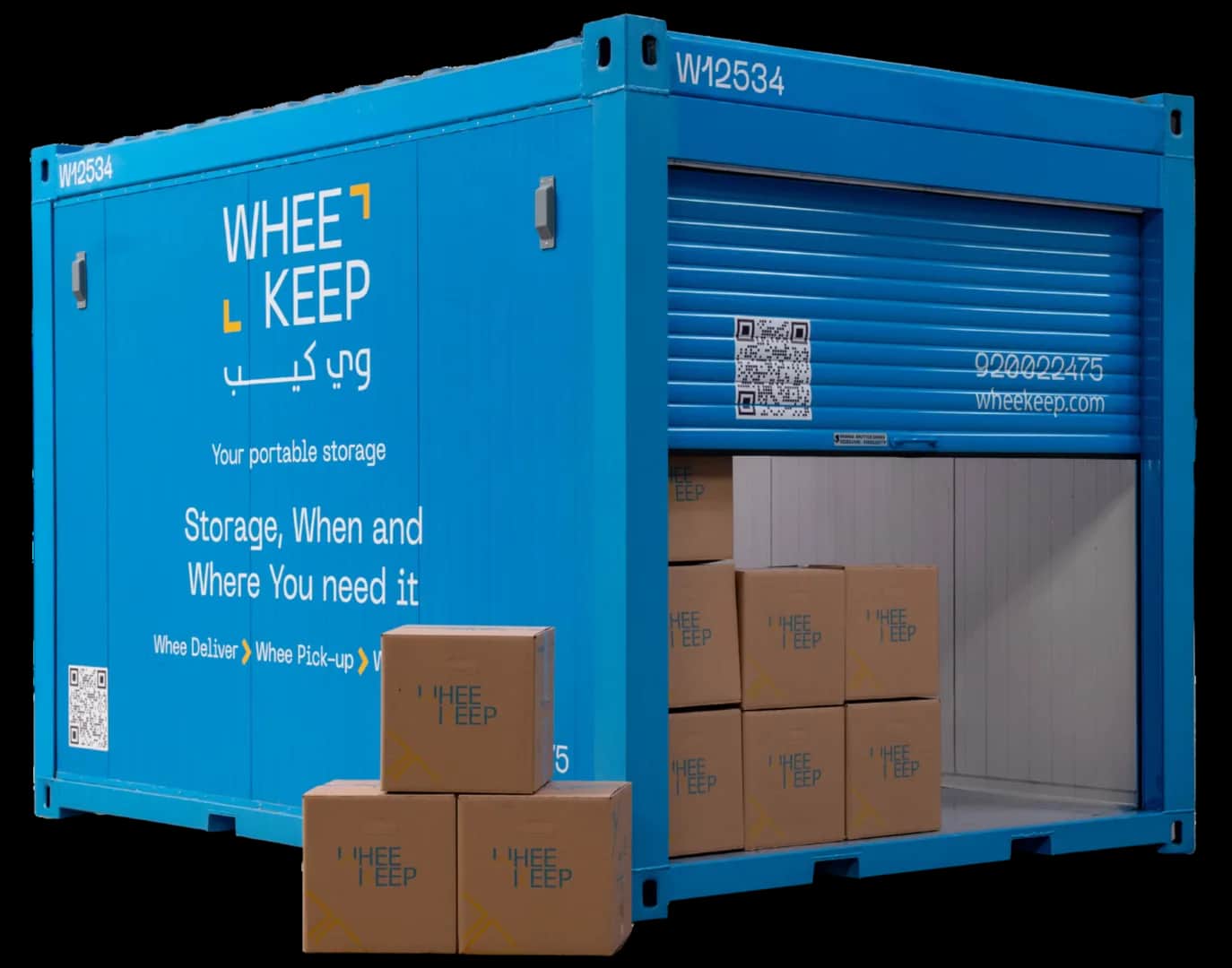
Here is a fact that surprises most first-time storage customers in Saudi Arabia: a standard storage unit in Jeddah or Riyadh during summer can reach internal temperatures above 60°C when the facility is not temperature-regulated. WheeKeep's standard units are insulated and stay at 29 °C or below in summer, and the air-conditioned unit holds 18 to 28 °C. That is not a worst-case scenario, it is the predictable result of corrugated metal or concrete structures absorbing direct solar radiation in a climate where ambient temperatures routinely exceed 45°C between June and August. At those temperatures, wood warps, leather cracks, electronics fail, artwork fades, and pharmaceuticals degrade. The decision between climate controlled storage and a standard unit is not a matter of preference. For many belongings, it is the difference between retrieving your items in good condition and writing them off entirely.
Yet the same customers who would never leave a laptop on a car dashboard in July will cheerfully rent the cheapest available unit without asking a single question about temperature management. This guide exists to correct that gap. It walks through exactly what each storage type delivers, which belongings genuinely require climate control, how to assess your own situation honestly, and how WheeKeep's units across Riyadh and Jeddah are configured to protect what you store.
What "Climate Controlled Storage" Actually Means in the Saudi Context
Climate controlled storage refers to units where temperature and, in some configurations, humidity are actively managed through HVAC or cooling systems running continuously throughout the rental period. In the Saudi context, this matters more than almost anywhere else on earth.
In countries with moderate climates, climate control is a premium add-on that protects sensitive items from occasional extreme weather. In Saudi Arabia, it is the baseline requirement for anything that cannot tolerate sustained extreme heat. The Kingdom sits across multiple climate zones: Riyadh and the interior experience a hyper-arid desert climate with low humidity but extreme temperature swings (nights can drop to 8–10°C in January while midday summer peaks exceed 48°C). Jeddah and the Red Sea coast experience high humidity year-round alongside intense heat, creating a different but equally damaging combination for stored materials. The Eastern Province around Dammam and Khobar adds industrial dust and coastal salt air into the equation.
A well-designed climate controlled unit will maintain internal temperature within a target band, typically between 18°C and 24°C, regardless of outdoor conditions. Some facilities also regulate relative humidity, keeping it between 40% and 55% RH, which prevents the moisture damage that coastal cities like Jeddah and Yanbu generate even in otherwise sealed spaces. When a storage provider mentions "air-conditioned units," it is worth clarifying whether that means continuous cooling or simply that the building has shared HVAC that may switch off overnight or during maintenance periods.
What Standard Storage Units Deliver
Standard storage units, sometimes called ambient or non-climate-controlled units, offer a secure, lockable space without active temperature or humidity management. They are typically less expensive, and in a well-built facility they offer genuine protection from rain, dust, and unauthorised access. In climates where summer peaks stay below 30°C, they are adequate for most household goods.
In Saudi Arabia, a standard unit at a well-built facility with good ventilation and insulated walls will still be significantly cooler than a corrugated metal shed in direct sun. The quality of construction matters enormously. A thick concrete structure with reflective roofing and passive ventilation can keep internal temperatures 10–15°C below ambient outdoor levels. That is meaningful, but it still means 35°C inside when it is 48°C outside. For items that begin degrading at 30°C, that is not enough.
The Humidity Variable That Most Guides Ignore
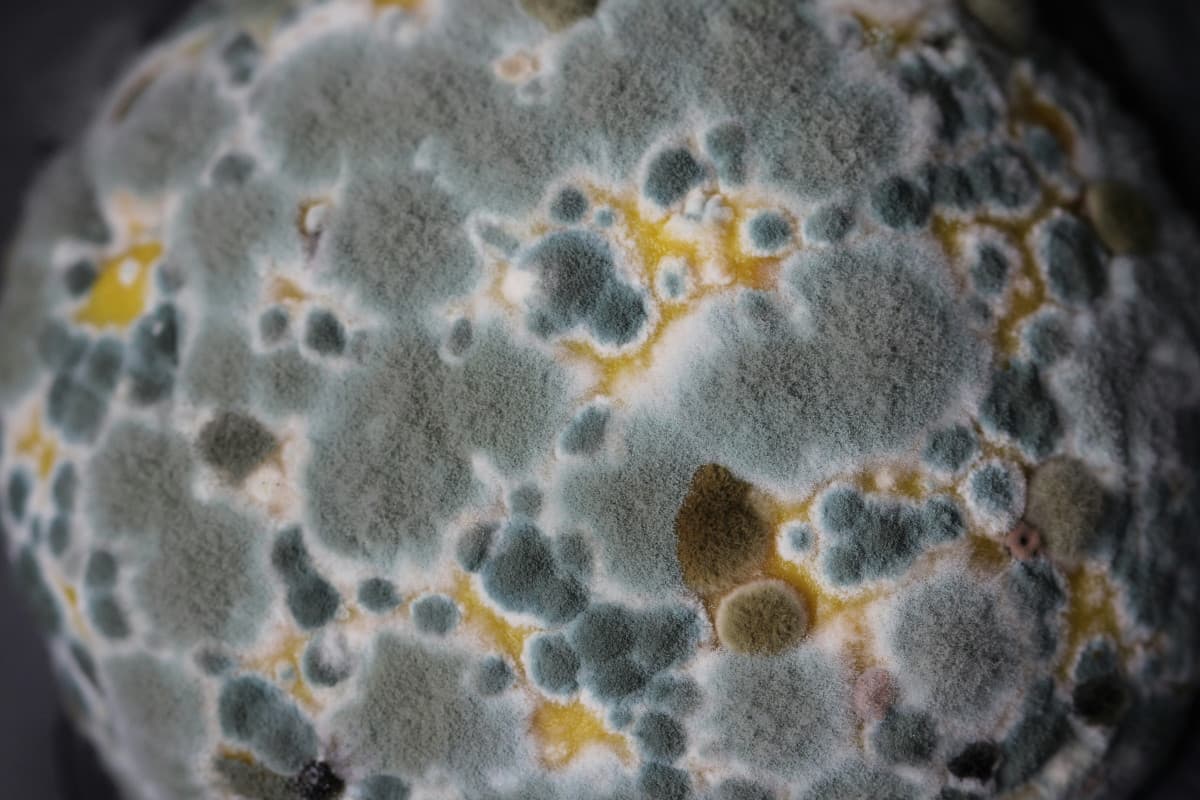
Temperature is the metric most customers focus on, but humidity is equally destructive for many categories of belongings. Jeddah's relative humidity regularly exceeds 80% during summer months, particularly near the Corniche and older districts like Al-Balad. Even sealed storage units will exchange air with the environment over time, and humid air carries moisture into fabrics, wood joints, electronic components, and paper. Mould can establish itself on organic materials within 24–48 hours of sustained high humidity exposure. Climate controlled units that also regulate humidity are particularly important for customers storing items in Jeddah or other humid coastal cities.
The True Cost of Getting This Decision Wrong
The financial case for choosing the right storage type becomes clear when you price out what you are actually storing. Many customers anchor on the monthly unit cost and do not think through the replacement value of the contents.
Consider a typical Riyadh family preparing for a six-month overseas assignment. They place furniture, electronics, clothing, books, and kitchen appliances into a standard unit. At the end of six months, they return to find the leather sofa has cracked along every seam, the flat-screen television has a warped housing and intermittent display failure, the hardback books have yellowed and warped, and the wooden dining table has split along the grain. The combined replacement cost of those items easily exceeds the six-month price difference between a standard and a climate controlled unit, often by a factor of five to ten.
This is not hypothetical damage. It is the predictable outcome of exposing those materials to 55–60°C internal temperatures for an extended period. Wood expands and contracts with temperature cycling, which separates joints. Leather loses its plasticisers in sustained heat and becomes brittle. LCD and OLED panels use polarising films that degrade at high temperatures. Adhesives in book spines and furniture joints soften and fail.
Items That Cannot Safely Use Standard Storage in Saudi Arabia
The following categories of belongings should be considered incompatible with non-climate-controlled storage in Saudi Arabia's climate:
- Electronics: Laptops, televisions, gaming consoles, cameras, audio equipment, and any device containing lithium-ion batteries. Battery chemistry degrades irreversibly above 40°C with extended exposure, and circuit board components can experience thermal stress cracking.
- Wood furniture and musical instruments: Solid wood and engineered wood products both respond poorly to temperature and humidity cycling. Instruments like ouds, violins, and pianos are particularly vulnerable and can suffer structural damage that costs more to repair than to replace.
- Leather and luxury goods: Leather furniture, bags, shoes, and jackets; luxury watches with rubber seals; designer clothing with heat-sensitive dyes or adhesive elements.
- Artwork and collectibles: Canvas paintings, framed prints, antiques, and sports memorabilia. UV exposure combined with heat accelerates pigment degradation even through glass.
- Documents and archives: Paper yellows and becomes brittle in sustained heat. For businesses or families storing important contracts, certificates, or historical records, climate control is essential.
- Pharmaceuticals and health products: Any medication with a "store below 25°C" instruction, which covers the majority of common medications, will degrade in a standard unit. This applies equally to vitamins, supplements, and skincare products with active ingredients.
- Wine, food, and specialty beverages: While alcoholic beverages are not relevant in the Saudi context, high-quality olive oils, honey, specialty teas, dried herbs, and similar products that have temperature-sensitive shelf lives benefit from controlled storage.
- Vinyl records and physical media: Vinyl warps above 40°C. CDs and DVDs experience disc rot acceleration in high humidity. Magnetic tape media, still common in professional audio/video archives, is extremely sensitive to both temperature and humidity.
Items That Perform Adequately in Standard Storage
Not everything requires climate control, and being honest about this helps customers make cost-effective decisions:
- Metal tools and equipment (provided they are clean and dry to avoid rust in coastal areas)
- Plastic garden furniture and outdoor equipment
- Sporting goods made from synthetic materials (bicycles, tents, camping gear)
- Automotive parts and accessories (excluding electronics)
- Commercial inventory made from heat-stable materials (ceramics, glassware, metalware)
- Seasonal decorations stored in sealed plastic bins
- Power tools and construction equipment
The key insight is that this is not a binary "climate control for everything" or "standard for everything" decision. A business storing a combination of retail inventory and office electronics might need a climate controlled unit for the electronics and could use a standard unit for the bulk stock, or might find a single medium climate controlled unit covers both categories economically.
Side-by-Side: Climate Controlled vs Standard Storage for Saudi Arabia
| Factor | Climate Controlled | Standard |
|---|---|---|
| Internal temperature (summer) | ✅ 18–24°C maintained | ⚠️ 35–60°C depending on construction |
| Humidity control | ✅ 40–55% RH (full-spec units) | ❌ Ambient, up to 80%+ in Jeddah |
| Electronics safety | ✅ Safe for extended storage | ❌ High risk above 6–8 weeks |
| Wood furniture | ✅ Stable | ⚠️ Risk of warping/splitting over 3+ months |
| Leather goods | ✅ Safe | ❌ Cracking likely in summer months |
| Documents and archives | ✅ Preservation-grade | ⚠️ Yellowing and brittleness over time |
| Metal tools | ✅ Safe | ✅ Generally safe (coastal areas: ⚠️ rust risk) |
| Monthly cost premium | Higher (reflects energy + infrastructure) | Lower baseline cost |
| Peace of mind | ✅ High, conditions monitored | ⚠️ Variable, dependent on season and duration |
| Best for | Electronics, furniture, art, documents, mixed household contents | Tools, equipment, heat-stable inventory, short-term storage in winter months |
How to Choose the Right Storage Type: A Step-by-Step Decision Framework
Choosing between climate controlled and standard storage does not require guesswork. The following framework walks through the decision in a logical sequence, accounting for the specific conditions in Saudi Arabia's major cities.
Step 1: Inventory Your Belongings by Heat Sensitivity (Estimated time: 20–30 minutes)
Before contacting any storage provider, create a written inventory of everything you plan to store. Do not rely on memory, storage customers consistently underestimate the value and sensitivity of what they put into units. Go room by room if you are storing household contents, or category by category for business inventory.
For each item or category, assign a heat sensitivity rating:
- High sensitivity: Electronics, leather, wood furniture, artwork, documents, instruments, medications, luxury goods
- Medium sensitivity: Fabric and textiles (risk of mildew in humid environments), books, composite wood products, rubber-sealed items
- Low sensitivity: Ceramics, glassware, metal items (non-electronic), plastic items, synthetic textiles
Decision rule: If more than 20% of your stored items fall into the "high sensitivity" category by value (not quantity), climate controlled storage is the correct choice. A single laptop worth 3,000 SAR in a unit otherwise containing 500 SAR worth of plastic storage bins still tips the calculation toward climate control.
Common mistake to avoid: Customers frequently categorise items by volume rather than value. A sofa takes up a lot of space, but if it is a leather sofa worth 8,000 SAR, it dominates the risk calculation. Always assess by replacement value, not by cubic metres.
Step 2: Determine Your Storage Duration and Season (Estimated time: 10 minutes)
Duration and season together determine how much thermal stress your belongings will experience. A two-week standard unit rental in January (when Riyadh temperatures average 14–18°C) carries minimal risk for most items. A six-month standard unit rental spanning May through October in Jeddah is an entirely different proposition.
Use this matrix as a guide:
| Duration | Winter Storage (Nov–Mar) | Summer Storage (May–Sept) |
|---|---|---|
| Under 4 weeks | Standard generally acceptable | ⚠️ Climate control recommended for electronics |
| 1–3 months | Standard acceptable for most items | Climate control strongly recommended |
| 3–12 months | Climate control recommended for mixed contents | Climate control essential for any sensitive items |
| Over 12 months | Climate control strongly recommended regardless of season (spans multiple summers) | Climate control essential |
Pro tip: Many customers start with a shorter planned duration and extend month-to-month. Because WheeKeep operates on flexible, no-long-term-contract terms, you can cancel anytime, but the damage your belongings sustain during an unplanned summer extension cannot be undone. Choose the right unit type from the start rather than optimising for a duration you may not achieve.
Step 3: Assess Your City and Microclimate (Estimated time: 5 minutes)
Your storage location within Saudi Arabia materially affects the risk profile of standard storage.
Riyadh (Riyadh Region): Extreme summer heat with low humidity. The primary risk is temperature. Standard units in well-insulated buildings are less risky than in Jeddah during winter months, but summer remains extremely harsh. Neighbourhoods in northern Riyadh (near King Salman Park and the KAFD area) benefit from modern construction standards; older industrial districts may have less well-insulated facilities.
Jeddah (Makkah Region): High heat combined with high humidity, particularly near the Red Sea. This dual combination is the most damaging in the Kingdom for stored items. Climate control is the default recommendation for anything beyond very short-term storage of inert materials. WheeKeep's Jeddah facility serves this market with weatherproof units, and the air-conditioned unit for pieces that react to humidity.
Dammam and Khobar (Eastern Province): Coastal humidity combined with industrial dust and occasional salt air makes this environment particularly corrosive for electronics and metals. Climate controlled storage with good sealing is important here.
Makkah and Medina: Extreme heat, particularly around Hajj season (which falls in summer months in the current Hijri calendar cycle). Short-term storage for pilgrims and seasonal residents should consider climate control for any electronics or valuables.
AlUla and Tabuk: Desert climate with lower humidity than coastal areas, but extreme daytime temperatures and cold nights create significant temperature cycling that stresses materials.
Step 4: Calculate the Real Cost Comparison (Estimated time: 15 minutes)
The common approach to this calculation is wrong. Most customers compare only the monthly unit prices, climate controlled versus standard, and make their decision on that gap alone. The correct approach includes the replacement cost of potential damage.
Here is a worked example for a medium unit over six months:
| Scenario | Standard Unit | Climate Controlled (WheeKeep Medium) |
|---|---|---|
| Monthly cost | Varies by provider | 899 SAR/mo |
| 6-month total (unit cost) | Variable | 5,394 SAR |
| Typical contents value (mixed household) | 25,000–80,000 SAR | 25,000–80,000 SAR |
| Risk of damage to heat-sensitive items (summer) | ⚠️ High, electronics, leather, wood at risk | ✅ Minimal |
| Potential damage cost avoided | , | 3,000–15,000 SAR (electronics alone) |
| True cost comparison | Lower upfront, higher risk-adjusted total | Higher upfront, lower risk-adjusted total |
The monthly price difference between a standard unit and a climate controlled unit is almost always smaller than the replacement cost of a single laptop or television damaged by heat. For anyone storing a full household's worth of electronics and furniture, the risk-adjusted case for climate controlled storage is overwhelming.
Ready to protect your belongings? Explore WheeKeep's climate controlled storage units in Riyadh and Jeddah, with no long-term contracts, a padlock included, full CCTV coverage, and on-demand return of your items. WheeKeep's Medium unit at 899 SAR a month suits families and small businesses storing mixed contents.
Step 5: Select the Right Unit Size (Estimated time: 10 minutes)
Once you have determined that climate controlled storage is the right category, selecting the correct unit size prevents two common and expensive mistakes: renting too small a unit and forcing items to be stacked unsafely, or renting an oversized unit and paying for unused space.
WheeKeep offers three unit sizes across its Riyadh and Jeddah locations:
- Small unit (2.4 × 1.5 × 2.35 m = 8.46 m³): 599 SAR/month. Suitable for a studio apartment's contents, a single room of furniture and boxes, or a small business's document archive and equipment.
- Medium unit (3.6 × 1.5 × 2.35 m = 12.69 m³): 899 SAR/month. Fits a one- or two-bedroom apartment's contents, including furniture, electronics, and boxes. Ideal for families in transit or businesses with moderate inventory.
- Large unit (3.6 × 2.4 × 2.5 m = 21.6 m³): 1,289 SAR/month. Designed for three-bedroom household contents, large commercial inventory, or equipment storage for project teams working on contracts in the region.
Practical sizing tip: A standard three-seat sofa occupies roughly 1.5 m³. A queen-sized bed (frame and mattress) is approximately 2 m³. A full set of kitchen appliances in boxes adds another 1–2 m³. Add 30% to your estimated volume for packing materials and irregular stacking. This calculation will usually place a two-bedroom apartment into the medium unit range.
Pro tip: Because WheeKeep includes CCTV monitoring and a padlock with every unit regardless of size, the security infrastructure is consistent across the range. You are not sacrificing security to save cost on a smaller unit.
Step 6: Prepare Your Items Correctly for Climate Controlled Storage (Estimated time: 1–3 hours depending on volume)
Climate controlled storage protects your belongings from the environment, but correct packing protects them from each other. Even in a perfectly temperature-regulated unit, items improperly packed or stacked can suffer damage from pressure, abrasion, or moisture trapped within packaging.
Follow these preparation guidelines:
- Electronics: Ideally use original manufacturer packaging. If unavailable, wrap in anti-static bubble wrap (not standard bubble wrap, which can build static charge) and place in sealed cardboard boxes. Remove batteries from all devices before storage, lithium batteries stored in a discharged state in heat can swell and cause damage even in a cooled environment if left for extended periods.
- Furniture: Disassemble where possible to reduce pressure on joints. Wrap all wood surfaces in moving blankets or furniture pads, never in plastic wrap directly against wood, as this traps moisture. Leather furniture should be cleaned and conditioned before storage, then covered with breathable cotton covers rather than plastic sheeting.
- Artwork and mirrors: Wrap in acid-free tissue paper, then moving blankets. Store vertically, never lay paintings flat under other items. Mark boxes "fragile" and "this side up."
- Clothing and textiles: Use vacuum storage bags to reduce volume, or pack in sealed plastic bins with a silica gel sachet inside each container. Hanging garments can be stored in wardrobe boxes, WheeKeep's units are tall enough (2.35–2.5 m) to accommodate standard wardrobe boxes upright.
- Documents: Store in sealed archival-quality boxes or plastic document cases. Label each box on the side (not the top) so you can identify contents without unstacking. Chronological or categorical labelling systems save significant time when you need to retrieve specific files.
- Appliances: Clean thoroughly before storage. Ensure all appliances are completely dry, residual moisture inside a washing machine drum or refrigerator can cause mould even in a climate controlled environment. Leave refrigerator and freezer doors slightly ajar.
Warning: do not store flammable liquids or compressed gases in any storage unit; perishable food goes only in a refrigerated unit. The rules for flammable and hazardous materials are set by the General Directorate of Civil Defense. These are prohibited in all WheeKeep units and at most storage facilities in the Kingdom, consistent with civil defence regulations applicable across Saudi Arabia.
Step 7: Access Planning and Unit Organisation (Estimated time: 30 minutes planning, ongoing)
A common mistake that makes climate controlled storage frustrating rather than convenient is failing to plan unit organisation before loading. Once a unit is fully loaded, retrieving a specific item from the back requires moving everything in front of it, which is time-consuming and risks damage.
Use the following organisation principle: frequency of access determines position. Items you will never need until the storage period ends go in first (furthest from the door). Items you may need periodically go in the middle. Items you might need on short notice go near the front.
Create a simple sketch or photograph of the unit layout after loading. Keep a copy in your phone and a copy in a folder at home. This single step saves hours of searching during the storage period and prevents the "avalanche" problem where customers pull out everything looking for one item.
WheeKeep's on-demand return service means that if you need specific items delivered back to you, you can arrange this without needing to visit the facility yourself, a particularly useful feature for busy families, expatriates, and business owners managing multiple demands on their time.
Climate Controlled Storage for Businesses in Saudi Arabia
The case for climate controlled storage is even more straightforward for businesses than for individuals, because the calculation is purely financial rather than emotional. Businesses storing inventory, equipment, or documents need to protect assets that have a clear book value and may be essential to operations.
E-Commerce and Retail Inventory
Saudi Arabia's e-commerce sector has grown substantially in recent years, driven by platforms like Noon and Amazon.sa, and by the rapid expansion of last-mile logistics providers like SMSA and AJEX. Many small and medium e-commerce sellers operate from home or small offices and use self-storage as a cost-effective warehousing alternative.
For electronics resellers, fashion retailers, beauty and skincare sellers, or any business dealing in heat-sensitive products, a climate controlled storage unit is not optional, it is a business continuity requirement. Selling a customer a heat-damaged product creates refund costs, review damage and regulatory risk for health and wellness categories.
WheeKeep's medium unit at 899 SAR/month provides a cost-effective alternative to commercial warehouse rental, which in Riyadh's logistics districts (such as the industrial zone near King Abdulaziz Road) typically starts at significantly higher monthly rates with longer minimum lease commitments. For a startup or growing e-commerce seller, the flexibility of a month-to-month WheeKeep unit, cancellable at any time, eliminates the lease risk that comes with conventional warehouse space.
Contractors and Project Teams
Vision 2030's giga-projects have brought a significant number of international and domestic contractors to Riyadh and Jeddah. Project teams working on multi-year contracts frequently need secure, climate controlled storage for sensitive equipment, survey instruments, computing hardware, architectural models, and project documentation.
WheeKeep's large unit at 1,289 SAR/month offers a practical solution for project teams that need secure equipment storage without committing to a long-term commercial lease. The CCTV monitoring and padlock security included in every unit provides a level of access control appropriate for valuable professional equipment.
Corporate Document Management
Saudi regulations administered by bodies including the Zakat, Tax and Customs Authority (ZATCA) require businesses to retain certain financial and commercial records for defined periods. Many businesses accumulate physical document archives faster than their office space can accommodate. Climate controlled storage provides a compliant, secure, and cost-effective solution for document archiving, protecting records from the heat and humidity damage that would compromise their legibility and integrity.
WheeKeep's Locations and What They Offer
WheeKeep has one facility in each city, and each city's climate shapes what to store and how.
Jeddah
WheeKeep's Jeddah facility is in An Nahda, in a Red Sea coastal city where humidity is the critical environmental factor alongside heat. Jeddah's rapid population growth, driven partly by its role as the gateway city for Hajj and Umrah pilgrims, creates strong demand for both short-term and long-term storage. The facility serves families relocating within Jeddah, expatriates between accommodation arrangements, and businesses serving the city's retail and hospitality sectors.
Riyadh
WheeKeep's Riyadh facility is in Tuwaiq, serving the capital's large and growing storage demand. Riyadh's population of over seven million, its status as the Kingdom's commercial and governmental hub, and the scale of Vision 2030 construction activity in the city all drive strong demand. The dry but extreme heat of the interior desert climate makes temperature management the primary concern here.
WheeKeep's customer service is open 8 AM to 10 PM Sunday to Thursday and 9 AM to 10 PM on Saturday, and visits to your unit are by appointment. The facility is closed on Fridays. This schedule accommodates both working professionals who need weekend access and businesses that require access outside standard office hours.
The Security Dimension: What Both Unit Types Include
A question that sometimes gets conflated with the climate control decision is security. Customers occasionally assume that climate controlled units have better security infrastructure than standard units, or vice versa. At WheeKeep, the security package is consistent regardless of unit type:
- CCTV monitoring: Continuous camera coverage of all access points and unit corridors
- Padlock included: Every unit comes with a padlock, you hold the only key, meaning WheeKeep staff cannot access your unit without your involvement
- On-demand return service: Items can be returned to you on request without requiring a personal visit, combining convenience with a controlled access model
This security model means that when choosing between climate controlled and standard storage, the decision is purely about environmental protection for your specific belongings, not about relative security levels. Both categories are equally secured.
If you are ready to book a unit or want to discuss which size and type suits your situation, WheeKeep's team can help you identify the right option. Visit WheeKeep's booking page to check availability at the Riyadh and Jeddah locations and get started with no long-term commitment required.
Common Mistakes That Cost Saudi Storage Customers Money
Drawing on the full range of situations storage customers navigate in Saudi Arabia, the following mistakes appear consistently enough to warrant explicit warning:
Mistake 1: Choosing Unit Size Based on a Walk-Through Rather Than a Written Inventory
Customers who estimate unit size without counting and measuring their belongings almost always underestimate. The result is either a cramped, dangerously overstacked unit or a last-minute upgrade to a larger size. Spend 30 minutes on a written inventory before booking, it prevents this problem entirely.
Mistake 2: Assuming "Air-Conditioned Building" Means the Unit Is Climate Controlled
Some facilities have air conditioning in their reception and corridors but not within individual units. Always confirm that the unit itself, not the building, maintains a controlled temperature. Ask specifically: "What is the typical internal temperature of the unit in July?" A provider confident in their climate control will answer this directly.
Mistake 3: Storing Items Without Labelling Boxes
Unlabelled boxes in storage create a retrieval problem that compounds over time. Customers who label every box on at least two sides, maintain a box list on their phone, and photograph the unit layout after loading save hours of frustration over the storage period.
Mistake 4: Wrapping Wood and Leather in Plastic
Plastic wrapping traps moisture against organic materials, creating the conditions for mould even in a climate controlled environment. Use breathable materials, cotton moving blankets, furniture pads, or acid-free paper, for wood and leather items.
Mistake 5: Ignoring Ramadan's Effect on Access Patterns
During Ramadan, business hours shift significantly, with many operations moving to evening-heavy schedules. If you anticipate needing frequent access to your unit during Ramadan, check the facility's adjusted hours in advance. WheeKeep's customer service is open 8 AM to 10 PM Sunday to Thursday and 9 AM to 10 PM on Saturday, and visits to your unit are by appointment.
Mistake 6: Not Accounting for Hajj Season Demand Surges
In cities adjacent to Makkah and Medina, storage demand surges dramatically around Hajj season, which currently falls in the summer months. Customers needing storage in Jeddah during this period should book well in advance to secure their preferred unit type and size.
Frequently Asked Questions About Climate Controlled Storage in Saudi Arabia
Is climate controlled storage worth it in Saudi Arabia?
For the majority of customers storing mixed household contents, electronics, furniture, or any heat-sensitive items, yes. Saudi Arabia's summer temperatures are among the most extreme in the world for storage purposes, and the cost of replacing heat-damaged electronics or furniture almost always exceeds the premium for climate controlled storage. The exception is customers storing only inert, heat-stable materials (metal tools, ceramics, outdoor equipment) for a short period.
What temperature does WheeKeep maintain in its climate controlled units?
WheeKeep's climate controlled units are designed to maintain comfortable, stable temperatures that protect sensitive belongings from the extremes of the Saudi climate. For specific temperature specifications at your chosen location, contact WheeKeep directly at the time of booking.
Can I store my business inventory in a WheeKeep unit?
Yes. WheeKeep units are suitable for e-commerce inventory, retail stock, office equipment, documents, and other commercial storage needs. The medium unit (899 SAR/month) is popular with small business owners as a flexible warehousing alternative without long-term lease commitments.
How does humidity affect stored items in Jeddah compared to Riyadh?
Jeddah's coastal humidity creates a dual risk of heat and moisture damage, making climate controlled storage with humidity regulation particularly important. Riyadh's arid interior climate means heat is the primary concern, with humidity less significant. Both cities present conditions that exceed safe storage thresholds for heat-sensitive items during summer months, but the specific risks differ and should inform how you prepare and pack items for storage.
What is the minimum rental period for a WheeKeep unit?
WheeKeep operates on flexible, month-to-month terms with no long-term contract required. You can cancel at any time, making it suitable for both short-term situations (renovations, moves, temporary relocations) and extended storage periods.
Can I access my WheeKeep unit outside business hours?
WheeKeep's customer service is open 8 AM to 10 PM Sunday to Thursday and 9 AM to 10 PM on Saturday, and visits to your unit are by appointment. Facilities are closed on Fridays. If you require access outside these hours, discuss your specific needs with WheeKeep at the time of booking.
What should I NOT store in a climate controlled unit?
Regardless of unit type, items prohibited in WheeKeep units include flammable liquids and gases, perishable food items, live plants, illegal materials, and hazardous substances. These restrictions apply consistently across all storage unit types and are standard practice across the Saudi storage industry in line with civil defence regulations.
Is the padlock included with every WheeKeep unit?
Yes. Every WheeKeep unit includes a padlock at no additional cost, and you hold the only key. This means only you can access your unit, WheeKeep staff do not have independent access.
How do I decide between a small and medium unit?
A small unit (2.4 × 1.5 × 2.35 m) is typically appropriate for a studio apartment's contents, a single room of furniture, or a focused business archive. A medium unit (3.6 × 1.5 × 2.35 m) handles a one- to two-bedroom apartment's full contents including furniture and appliances. If in doubt, the medium unit's additional capacity (roughly 50% more than the small) is usually worth the incremental cost given that overpacking a unit damages contents and makes access frustrating.
Does climate controlled storage protect against dust as well as heat?
A well-sealed climate controlled unit provides meaningful protection against dust infiltration, which is a relevant concern in Saudi Arabia's desert environment, particularly in Riyadh and interior cities during shamal (northwesterly wind) events that carry significant dust loads. The sealing required to maintain temperature also reduces dust ingress compared to poorly sealed standard units.
What is WheeKeep's on-demand return service?
WheeKeep's on-demand return service allows you to request that specific items from your unit be delivered back to you without requiring a personal visit to the facility. This is particularly useful for customers who have stored items they need occasionally but infrequently, and for expatriates or business travellers who may be away from the city when they need something retrieved. Contact WheeKeep directly for details on how to arrange on-demand returns from your specific unit and location.
Key Takeaways
- Saudi Arabia's climate makes the climate controlled decision more consequential than almost anywhere else. Internal temperatures in non-climate-controlled units routinely reach 55–60°C during summer, damaging electronics, leather, wood, documents, and medications.
- Assess by replacement value, not volume. A single laptop or leather sofa in an otherwise low-value load still tips the calculation toward climate controlled storage.
- Jeddah's humidity adds a second risk dimension that is as damaging as heat for organic materials and electronics. Climate controlled units in Jeddah should ideally regulate both temperature and humidity.
- Duration and season together determine risk. A short winter rental carries very different risk than a six-month summer storage period. Plan for the actual duration, not the hoped-for one.
- WheeKeep's pricing is transparent and flexible: 599 SAR/month (small), 899 SAR/month (medium), 1,289 SAR/month (large). No long-term contracts. Padlock and CCTV included.
- Businesses benefit even more clearly than individuals from climate controlled storage, because the financial case is purely quantitative: damaged inventory and equipment have a clear replacement cost that almost always exceeds the storage premium.
- Preparation matters as much as the unit type. Use breathable wrapping on wood and leather, anti-static packaging for electronics, and create a labelled inventory before loading.
Making the Right Storage Choice for Your Belongings in Saudi Arabia
The decision between climate controlled storage in Saudi Arabia and standard storage is not complicated once you work through it systematically. The Kingdom's climate is not forgiving of shortcuts, and the cost of getting this wrong, measured in damaged belongings, replacement expenses, and the frustration of retrieving items in worse condition than you stored them, consistently exceeds the cost of doing it right.
WheeKeep's network of secure storage units in Saudi Arabia across Jeddah and Riyadh offers the flexibility, security, and climate protection that Saudi Arabia's conditions demand. Whether you are a family between homes, an expatriate managing a relocation, an e-commerce seller needing flexible warehousing, or a business protecting sensitive equipment, the right unit is available without a long-term commitment and with all the security infrastructure built in.
The smartest move is to start with a clear inventory of what you are storing, apply the decision framework in this guide, and choose the unit type and size that protects your specific belongings for your specific duration. Book your WheeKeep unit today in Jeddah or Riyadh, and let the heat and humidity stop being your problem.