Storage During a Home Renovation in Riyadh or Jeddah
Renovating your home in Riyadh or Jeddah? Discover 7 smart ways a self-storage unit protects your furniture and keeps your project on track from day one.
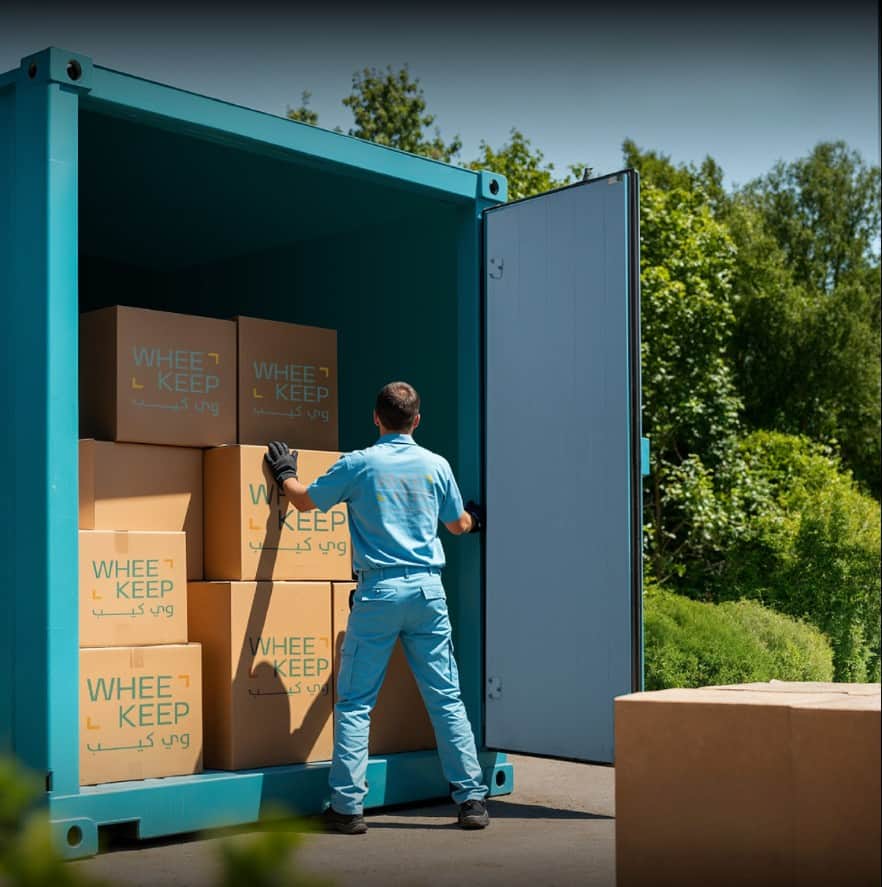
Picture this: it is 07:30 on a Thursday morning in Riyadh. The contractor's team arrives at your villa in Al Yasmin, drills start humming, and dust begins settling on every surface. Your dining table is buried under paint tarps, your children's wardrobes are blocking the corridor workers need to access the bathroom wall, and your television is balanced on a mattress in the garden. By midday, a ceramic tile has chipped the edge of your sideboard, and a worker has accidentally knocked your wife's collection of crystal vases off a shelf. The renovation has barely begun, and the damage is already mounting.
This scenario plays out constantly across Riyadh's expanding suburbs and Jeddah's older residential districts, where home renovation activity has surged alongside Vision 2030-linked investment in housing quality. The problem is rarely the renovation itself. The problem is almost always the furniture.
Storing furniture and household belongings intelligently during a renovation is one of the most overlooked project decisions a homeowner makes. Get it right, and your contractor has clear access, your belongings stay pristine, and the project finishes faster. Get it wrong, and you spend the next six months living around furniture damage, worker delays, and the particular stress of sharing a dusty, chaotic home with a construction crew.
This guide covers seven smart, practical ways to use storage during home renovation in Saudi Arabia, with specific guidance for homeowners in Riyadh and Jeddah. Each approach is ranked by impact, starting with the strategies that make the biggest difference to both your belongings and your renovation timeline.
Why Furniture Storage During a Renovation Is a Project Management Decision, Not Just a Convenience
Most homeowners think of furniture storage as a comfort measure, a way to feel less crowded during building work. In reality, it is a project management tool that directly affects cost, speed, and quality of the renovation outcome.
When a contractor cannot move freely through a space because furniture is stacked in corridors and rooms, work slows. Tilers cannot lay a full floor run without relocating items mid-job. Painters cannot spray or roll walls efficiently when sofas and cabinets are pushed to the centre of the room. Electricians cannot run conduit along skirting boards without moving furniture every few metres. Each interruption adds time, and time in any building project adds cost.
Beyond speed, there is the question of liability. Most residential renovation contracts in Saudi Arabia do not include coverage for accidental damage to homeowner property on site. If a worker damages a custom-made majlis sofa or a marble-top dining table, the financial recovery process is complicated and rarely satisfying. The simplest protection is to remove high-value items from the work zone entirely.
Finally, there is the dust and moisture issue. Renovation work, particularly in Riyadh's dry climate and Jeddah's coastal humidity, generates particulate matter that embeds itself into upholstery fabric, wooden grain, and electronic components. Items left in a renovation zone for weeks accumulate damage that is expensive or impossible to reverse. Furniture storage in Saudi Arabia is not a luxury, it is risk management.
1. Clear the Entire Renovation Zone Before Day One
The single highest-impact action you can take is to completely empty the renovation zone before the first contractor arrives on site. This sounds obvious, yet the vast majority of homeowners attempt a partial clearance, moving some items to other rooms while leaving others in place. The result is a patchwork of accessible and inaccessible areas that frustrates every trade working on the project.
Why a Partial Clearance Always Costs More
When you leave furniture in a renovation zone, contractors must work around it. In practice, this means they will move items themselves, often without the care you would apply, stack them in ways that cause pressure damage, or simply avoid working in certain areas until you deal with the obstruction. Project managers in Riyadh's Al Olaya and Jeddah's Al Rawdah districts consistently report that homes cleared entirely before work begins finish renovation projects measurably faster than those that are only partially cleared.
A complete pre-renovation clearance also forces a useful discipline: it makes you catalogue what you own, what needs professional wrapping, and what condition your furniture is in before work begins. This catalogue becomes your baseline if any damage claim is ever needed.
How to Apply This in Practice
Book your storage unit at least one week before your renovation start date. Use the week before handover to wrap, label, and transport items systematically, room by room. WheeKeep's medium unit (3.6 × 1.5 × 2.35 m, at 899 SAR per month) can accommodate the contents of a typical one or two-bedroom apartment when packed efficiently with vertical stacking. For larger villas common in Riyadh's northern suburbs, a large unit (3.6 × 2.4 × 2.5 m, at 1,289 SAR per month) provides the floor area and ceiling height to store an entire floor's worth of furnishings with room to access items if needed mid-project.
Label every box and wrapped item with the room it came from and its contents. When the renovation finishes, you will want to return items to the correct rooms immediately, not spend a weekend sorting unlabelled boxes in a storage unit in 45°C Riyadh summer heat. Temperature and humidity records for Saudi cities are published by the National Center for Meteorology.
2. Use a Climate-Aware Storage Solution That Matches Jeddah and Riyadh's Conditions
Saudi Arabia's climate is genuinely hostile to furniture and household belongings left in inadequate storage conditions, and the risks differ between cities. Choosing a storage unit without understanding local climate factors is one of the most common and costly mistakes homeowners make when planning storage during home renovation in Saudi Arabia.
Riyadh: Extreme Heat and Sand
Riyadh's central plateau climate delivers summer temperatures consistently between 42°C and 48°C from May through September, with low relative humidity and periodic shamal (northwesterly) sandstorms. For furniture stored in this environment, the primary threats are:
- Warping and splitting in solid wood and MDF furniture caused by extreme heat and rapid temperature cycling between day and night.
- Adhesive failure in veneered surfaces, laminate furniture, and anything assembled with heat-sensitive glues.
- Fabric degradation in upholstered pieces, particularly synthetic fabrics that break down under prolonged UV and heat exposure.
- Electronic component damage in televisions, audio equipment, and appliances stored without temperature control.
Jeddah: Humidity and Salt Air
Jeddah's Red Sea coastal position creates a different set of threats. Relative humidity regularly exceeds 70–80% during summer months, and the combination of heat and moisture accelerates:
- Mould and mildew growth on fabric, leather, and natural fibre items stored in non-climate-controlled spaces.
- Rust and corrosion on metal furniture components, appliances, and tools.
- Wood swelling causing drawer faces to jam, cabinet doors to misalign, and joints to weaken.
- Leather cracking and peeling caused by humidity cycling on untreated surfaces.
How to Apply This in Practice
When evaluating storage options, ask specifically whether units are temperature and humidity controlled, not just air-conditioned in the common area. The storage unit itself should maintain a stable internal environment. WheeKeep's units in Jeddah and Riyadh are insulated and weatherproof, and the air-conditioned unit holds 18 to 28 °C, which protects furniture and electronics through a renovation period that can run from four weeks to six months for major refurbishments.
Before loading your unit, wrap upholstered items in breathable cotton dust sheets rather than plastic sheeting. Plastic traps moisture against fabric surfaces and can cause exactly the mould damage you are trying to prevent. Use silica gel packets inside sealed boxes containing electronics, documents, and leather goods.
3. Stage Your Storage to Match Your Renovation Phases
A common mistake is treating storage as a binary decision: everything in, then everything out at the end. A phased storage strategy that mirrors your renovation timeline saves money and maintains liveable conditions throughout the project.
Most home renovations in Riyadh and Jeddah follow a recognisable sequence: demolition and structural work, followed by rough-in trades (plumbing, electrical, HVAC), followed by plastering and screeding, followed by tiling and flooring, followed by painting, followed by joinery and fit-out, followed by final decoration. Each phase has different space requirements and different risks to stored items.
Building a Phased Storage Plan
During demolition and rough-in trades (typically weeks one through three for a single-floor renovation), the dust and vibration levels are at their highest. Everything should be out of the work zone. If you are renovating a multi-storey villa, floor by floor, you may be able to use an upper floor as temporary staging before it becomes the active work zone.
During plastering and flooring (weeks three through six), the primary risk shifts from vibration to moisture. Wet plaster and tile adhesive raise humidity levels significantly inside the space. Items should remain in storage until these phases are fully dry. In Riyadh, plaster typically dries faster due to low ambient humidity. In Jeddah, allow additional curing time.
During painting and joinery (weeks six through ten), the space becomes progressively more liveable. This is when you can begin returning items from storage in a staged sequence, starting with fixed furniture that will not be affected by the remaining finishing trades.
How to Apply This in Practice
Discuss phasing with your contractor before the project starts, and map storage decisions to each phase. WheeKeep's month-to-month rental terms (no long-term contract, cancel anytime) make phased storage practical and affordable. You are not locked into a twelve-month commitment when your renovation might complete in ten weeks. Start with a medium or large unit for the demolition phase, return items in batches as each area completes, and downsize your unit or end the rental when the final room is handed back.
This approach typically reduces total storage cost by 20–30% compared to maintaining a maximum-size unit for the full renovation duration, because you are only paying for the space you actually need at each stage.
Mid-project tip: If you are mid-renovation and realising your furniture storage plan is not working, WheeKeep accepts new bookings with same-week availability at both Riyadh and Jeddah locations. You do not have to wait for the next billing cycle to get your belongings protected. Book a WheeKeep storage unit online and get access within days.
4. Protect High-Value and Irreplaceable Items with Dedicated Storage, Not Spare Rooms
Using a spare bedroom or maid's room as improvised storage during a renovation is one of the most expensive mistakes a homeowner can make. Renovation dust, vibration, and humidity travel throughout a home regardless of closed doors. Items stored in internal rooms are not isolated from the work zone, they are simply in a slightly more distant part of it.
What Qualifies as High-Value in This Context
The obvious candidates are antiques, custom-made majlis furniture, imported Italian or Turkish bedroom sets, crystal and glassware, artwork, and electronics. But high-value in a renovation context also includes items that are not expensive to replace in absolute terms but are practically irreplaceable: family photographs and documents, children's keepsakes, custom-made draperies fitted to your specific window dimensions, and rugs that were purchased on trips to Iran, Turkey, or India and cannot simply be reordered.
These items share one characteristic: if they are damaged during the renovation, you will regret not having stored them properly for the rest of your time in that home. The cost of two months of storage is a fraction of what it costs to restore, repair, or replace a single high-quality piece.
The Practical Risk of Spare Room Storage
Consider what actually happens in a renovation. Workers open windows for ventilation. Doors between rooms are propped open for cable runs and pipe chases. The fine particulate dust generated by angle grinders cutting into concrete or tile is so small that it travels through door gaps and HVAC ducts. Items stored in a sealed room three doors away from the active work zone will accumulate a measurable layer of construction dust within two weeks. In Jeddah, where the combination of construction dust and coastal humidity creates a paste-like residue on surfaces, the damage to fabric and wood finishes can be significant.
How to Apply This in Practice
Create a tiered inventory of your belongings before the renovation begins. Assign each item to one of three categories: must go to professional storage (high-value or irreplaceable), can go to a spare room with protection (low-value, durable, easily cleaned), or can remain in the work zone if properly covered (built-in furniture, appliances that will be reinstalled).
WheeKeep's small unit (2.4 × 1.5 × 2.35 m, at 599 SAR per month) is sized perfectly for a dedicated high-value storage scenario. It can hold a majlis set, a dining room display cabinet's worth of glassware and collectibles, a rolled area rug, and a stack of boxed artwork, all in a secure, CCTV-monitored, padlocked environment that no spare room can replicate.
5. Use Storage to Create a Liveable Temporary Home Base Within Your Property
Many families in Riyadh and Jeddah choose to remain in their homes during renovation rather than renting temporary accommodation, and a strategic storage plan makes this genuinely feasible. The key is identifying which rooms will be completed and handed back first, then concentrating your family's living essentials in those rooms while everything else goes into storage.
The Temporary Living Zone Strategy
This approach requires negotiating a phased handover with your contractor: agree that certain rooms (typically bedrooms and one bathroom) will be completed, cleaned, and sealed off from active work before other areas are touched. Once those rooms are finished, you move your family's essential furniture back from storage into those completed zones, creating a liveable base.
The remainder of your furniture stays in the storage unit until the rest of the home is ready. This is significantly more comfortable than the alternative, where furniture from every room is distributed chaotically around the property, blocking work and creating a genuinely unpleasant daily living environment.
What Goes into Storage, What Stays
| Category | Goes to Storage Unit | Stays in Temporary Living Zone |
|---|---|---|
| Furniture | ✅ All furniture from active renovation rooms | ✅ One bed per family member, one sofa, dining table + chairs |
| Clothing | ✅ Off-season and excess wardrobe items | ✅ Current season essentials only |
| Kitchen | ✅ Specialty appliances, formal crockery, large cookware | ✅ Daily-use appliances, one set of dishes, basics |
| Electronics | ✅ Spare TVs, gaming consoles not in daily use, audio systems | ✅ One TV, family laptops, essential devices |
| Decor and art | ✅ All decorative items, artwork, ornaments | ❌ None, keep the temporary zone uncluttered |
| Documents and valuables | ✅ Non-essential documents, collectibles | ✅ Passports, Iqama, property documents, financial records |
How to Apply This in Practice
Communicate this strategy to your contractor before signing the contract. Ask for a room-by-room completion schedule, not just a total project end date. This gives you the information you need to plan which items to retrieve from storage and when. WheeKeep's on-demand return service means you can arrange for specific items to be delivered back to you as each room completes, without having to visit the storage facility yourself during a busy renovation period.
6. Store Contractor-Supplied Materials and Your Own Renovation Purchases to Reduce On-Site Clutter
One underused application of storage during home renovation is holding renovation materials themselves, not just furniture. This is particularly relevant for homeowners in Riyadh and Jeddah who are sourcing their own tiles, fixtures, sanitaryware, and cabinetry from suppliers across the city, often weeks before the contractor is ready to install them.
The On-Site Materials Problem
Tiles, stone slabs, bathroom fittings, light fixtures, and cabinetry components purchased ahead of schedule create significant problems when stored on site. They occupy floor area that workers need. They get damaged by other trades working nearby. They are exposed to the same dust, moisture, and temperature extremes as your furniture. And in some cases, they walk off the site.
This is a particularly acute problem in larger renovation projects, such as the full villa refurbishments common in Riyadh's Al Narjis, Hittin, and Sulaymaniyah districts, where procurement from multiple suppliers across the city means deliveries arrive on different schedules. The first tile delivery might arrive four weeks before tilers are ready to lay them. Where do you put 200 square metres of imported Italian porcelain in the interim?
Storage as a Procurement Hub
Using a storage unit as a staging area for renovation materials gives you genuine control over your procurement timeline. You can take advantage of sale pricing, buy materials when they are in stock rather than when you need them, and coordinate deliveries to a single location rather than managing multiple site deliveries that disrupt the working day.
This eliminates the common problem of expensive fittings sitting on a dusty construction site for weeks before they are needed.
How to Apply This in Practice
Coordinate with your contractor to understand the installation sequence and lead times for each trade. Work backwards from those dates to plan when materials need to arrive on site. Use your storage unit as the buffer between supplier delivery and site installation. This approach also protects you against contractor delays: if your tiler pushes back by two weeks, your tiles are safe in storage rather than sitting on a building site getting chipped.
WheeKeep's large unit (3.6 × 2.4 × 2.5 m) can comfortably hold palletised tile deliveries, boxed sanitaryware, and crated light fixtures alongside your household furniture, making it a genuinely dual-purpose asset during the renovation period.
7. Plan Your Storage Exit Strategy Before the Renovation Ends
The end of a renovation is when storage strategies most often fall apart. Homeowners who managed the pre-renovation clearance brilliantly frequently make the mistake of treating the return phase as an afterthought, resulting in a chaotic, stressful final week that undoes much of the careful planning that preceded it.
Why the Return Phase Deserves as Much Planning as the Storage Phase
When a renovation completes, there is an almost universal temptation to empty the storage unit as quickly as possible and get back to normal life. This impulse is understandable but counterproductive. Moving everything back in one go before the renovation has fully settled creates several problems:
- Paint and plaster that has not fully cured will mark if furniture is placed against it too soon. In Riyadh's dry climate, paint may feel dry to the touch within hours but continues to off-gas and harden for several days. In Jeddah's humidity, curing times extend further.
- New flooring, particularly hardwood or luxury vinyl plank, needs to acclimatise to the room's temperature and humidity before heavy furniture is placed on it. Placing a wardrobe directly onto newly installed flooring before it has settled can cause bowing and joint separation.
- Sealants around tiles, bathtubs, and kitchen worktops need 24–72 hours to fully cure before the adjacent areas are put under stress from furniture weight and movement.
- Post-renovation cleaning, which in Saudi Arabia typically involves a professional dust cleaning service to remove the fine particulate that has settled everywhere, is far more effective and thorough when done before furniture is returned.
The Staged Return Plan
A well-planned storage exit strategy works in reverse order from the original clearance. Large fixed furniture (wardrobes, beds, dining tables) returns first once flooring and paint are confirmed cured. Mid-size furniture (sofas, coffee tables, display cabinets) follows once the first layer is positioned correctly. Decorative items, artwork, and collectibles return last, once all trades have completely finished and the professional clean is done.
This sequence also gives you a final opportunity to re-evaluate your furniture against your newly renovated space. A renovation often changes the feel and proportions of rooms. Furniture that worked in the previous layout may not work in the new one. If you discover during the staged return that certain pieces no longer suit the space, they can remain in storage while you make decisions, without the pressure of having them underfoot in your home.
How to Apply This in Practice
Before the renovation ends, agree a final completion date with your contractor that includes all snagging (punch list) items. Do not begin returning furniture until snagging is closed, because contractors will need to return to address defects, and having furniture in place makes that harder and risks new damage.
WheeKeep's flexible month-to-month terms mean you are not paying for storage you no longer need. Once your staged return is complete and you are satisfied that everything is back in place correctly, you simply end the rental. There is no penalty for finishing earlier than expected, and no pressure to rush the return process to avoid an unnecessary month's charge.
How to Choose the Right WheeKeep Unit Size for Your Renovation
Choosing the correct storage unit size is a practical decision with real cost implications. Too small, and you cannot fit everything safely. Too large, and you are paying for space you are not using. The table below maps typical home sizes to recommended WheeKeep unit options for a full renovation clearance scenario.
| Home Type | Recommended Unit | Dimensions | Monthly Cost | Notes |
|---|---|---|---|---|
| Studio or single room | Small | 2.4 × 1.5 × 2.35 m | 599 SAR/mo | Suitable for single-room renovation or high-value item storage only |
| 1–2 bedroom apartment | Medium | 3.6 × 1.5 × 2.35 m | 899 SAR/mo | Fits the full contents with vertical stacking |
| 3-bedroom apartment, or one floor of a villa | Large | 3.6 × 2.4 × 2.5 m | 1,289 SAR/mo | Room to access items during the project |
| Villa (full renovation, all floors) | Two Large (Large + Medium for a smaller villa) | Combined | 2,578 SAR/mo (2,188 for Large + Medium) | Two-unit approach allows phased access by category; phase down as rooms complete |
All WheeKeep units include a padlock, 24/7 CCTV monitoring, and on-demand return service. There are no long-term contracts, and you can cancel anytime, which is particularly valuable for a renovation where the end date is subject to the inevitable construction delays that affect even the best-managed projects in Riyadh and Jeddah.
What to Do If Your Renovation Runs Over Schedule
Construction delays in Saudi Arabia are common, particularly for renovations that involve imported materials, specialist trades, or work during Ramadan when business hours and worker availability change significantly. A storage plan that accounts for schedule uncertainty is more robust than one that assumes everything will finish on time.
During Ramadan, working hours for many contractors shift to evening and night schedules, with reduced productivity during daylight hours. Projects that start in Sha'ban and plan to complete before Eid al-Fitr frequently extend into the weeks after Eid. This is not a failure of planning but a reality of construction in the Kingdom, and it is worth building a buffer of four to six additional weeks into your storage rental budget.
If materials are being imported through Jeddah Islamic Port or King Abdulaziz Port in Dammam, customs clearance timelines can add weeks to procurement schedules. Imported tiles, sanitaryware, and specialty fittings are common sources of delay in high-specification renovations. Having a storage unit available means your furniture remains protected during these delays rather than sitting in an unfinished, exposed renovation zone.
WheeKeep's month-to-month terms are specifically designed for this kind of uncertainty. You do not need to estimate a precise end date when you book. You simply extend month by month as needed, and end the rental when your project genuinely completes. For homeowners managing renovation budgets in a period of broader economic activity across the Kingdom, the ability to control storage costs precisely and avoid over-committing to long rental terms is a meaningful financial advantage.
The Packing and Loading Framework That Protects Your Furniture
Even the best storage unit cannot protect poorly packed furniture. The way you prepare and load items before they go into storage has a direct bearing on whether they emerge in the same condition they entered. The following framework is structured around the specific risks of Saudi Arabia's climate and the typical furniture types found in Riyadh and Jeddah homes.
Wrapping and Protection
Upholstered furniture (sofas, armchairs, majlis seating) should be wrapped in breathable cotton dust sheets, not plastic wrap. Plastic creates a sealed micro-environment that traps moisture and promotes mould, particularly in Jeddah's humid conditions. Cotton sheeting allows the fabric to breathe while blocking dust.
Wooden furniture should have all hardware (hinges, handles, drawer runners) removed and bagged separately, taped to the item they came from. This prevents scratching during transport and makes reassembly straightforward. Apply a thin coat of furniture wax or polish to exposed wood surfaces before storage to provide a moisture barrier.
Glass and mirrored surfaces should be wrapped in bubble wrap followed by moving blankets, and stored vertically rather than flat. Flat storage puts the entire weight of the glass on one surface; vertical storage distributes weight along the edge and dramatically reduces the risk of stress fractures.
Electronics should be stored in their original boxes where possible. If original packaging is not available, wrap in anti-static bubble wrap and box with silica gel packets. Do not store electronics directly on concrete floors; elevate them on wooden pallets or shelving to prevent moisture absorption from below.
Loading Order in the Unit
Load heavy, durable items first (wardrobes, bed frames, appliances), against the back wall. Build vertically to maximise the unit's ceiling height. Place lighter, fragile items on top of heavier boxes, or on shelving if you have it. Create an aisle down the centre of the unit so you can access items mid-project without having to unload everything.
Store items you are most likely to need access to (documents, specific appliances, seasonal clothing) nearest the unit door. Items that will not be touched until the renovation ends can go to the back. This simple principle eliminates the frustrating and time-consuming process of unloading an entire unit to find one box.
Frequently Asked Questions
How much does furniture storage cost during a home renovation in Saudi Arabia?
WheeKeep offers three unit sizes priced at 599 SAR, 899 SAR, and 1,289 SAR per month, with no long-term contract. For a typical three-month renovation, a medium unit costs around 2,697 SAR total, which is significantly less than the cost of a single piece of furniture damaged by construction dust, moisture, or accidental impact on site.
Where can I find storage units near my home in Riyadh?
WheeKeep delivers the unit to your home anywhere in Riyadh and stores it at its Tuwaiq facility (7873 Khalaf bin Saeed St), or leaves it with you.
Where can I find storage units near my home in Jeddah?
WheeKeep delivers the unit to your home anywhere in Jeddah and stores it at its An Nahda facility (5066 Abdulrahman Al Dakhil St), or leaves it with you.
Can I access my belongings while they are in storage during my renovation?
Yes. WheeKeep provides on-demand access to your stored items. If you need to retrieve a specific piece of furniture as a room completes, or access documents stored in the unit, book a visit, or have the unit brought back to you for 99 SAR before VAT, the round trip.
Do I need to sign a long-term contract for storage during a renovation?
No. WheeKeep operates on a month-to-month basis with no long-term commitment required. You can cancel anytime, which is particularly useful for renovations where the end date is uncertain. You only pay for the months you actually need.
Is my furniture insured while it is in a WheeKeep storage unit?
WheeKeep provides CCTV monitoring and padlocked access for all units, and compensates damage it causes on a damage report. Insurance is optional: you can buy a policy from WheeKeep’s approved insurer when you book, or check whether your home contents policy covers items stored off-site.
How far in advance should I book a storage unit before my renovation starts?
Booking at least one week before your intended move-in date gives you time to arrange transport, gather packing materials, and complete the clearance without rushing. During peak renovation seasons (after Eid al-Fitr and at the start of the school year, when many families undertake home improvements), booking two weeks in advance is advisable to secure your preferred unit size.
Can I store renovation materials as well as furniture in a WheeKeep unit?
Yes. WheeKeep units can store boxed tiles, sanitaryware, light fixtures, and other renovation materials alongside household furniture. This makes the unit a dual-purpose staging area for your project, protecting both your belongings and your purchased materials until they are needed on site.
What should I not store in a storage unit during my renovation?
Items that should not go into any storage unit include perishable food, flammable liquids (paints, solvents, cleaning chemicals), compressed gas cylinders, and live plants. The rules for flammable and hazardous materials are set by the General Directorate of Civil Defense. These restrictions apply to all WheeKeep facilities. Check with WheeKeep directly if you have questions about specific items.
Is storage during a home renovation in Saudi Arabia worth the cost?
For most renovations, yes. The cost of a medium WheeKeep unit for a three-month renovation is approximately 2,697 SAR. The cost of repairing or replacing a single high-quality piece of furniture damaged during renovation (a majlis set, an imported bedroom suite, a large area rug) typically far exceeds this amount. Beyond asset protection, the reduction in contractor delays caused by clear site access has a direct effect on total project cost and duration.
How do I decide between a small, medium, or large storage unit?
A useful starting point: the small unit (599 SAR/month) suits a single room's worth of furniture or a collection of high-value items. The medium unit (899 SAR/month) handles a one or two-bedroom apartment's full contents. The large unit (1,289 SAR/month) accommodates a full floor of a villa with room to access items during the rental period. If you are renovating a large multi-floor home, a combination of units may be the most practical approach.
Can WheeKeep help with moving furniture to and from the storage unit?
WheeKeep offers moving services in addition to self-storage, making it a single point of contact for the transport and storage phase of your renovation. Contact WheeKeep directly to discuss moving assistance alongside your storage booking.
Key Takeaways for Using Storage During Home Renovation in Saudi Arabia
- Complete site clearance before day one is the single most impactful action you can take. It accelerates your contractor's work and eliminates the most common sources of furniture damage.
- Climate is not optional context, it is a core decision factor. Riyadh's extreme heat and Jeddah's coastal humidity create specific threats to furniture, electronics, and renovation materials that only proper storage addresses.
- Phased storage aligned to renovation stages saves money and maintains liveable conditions throughout the project, particularly important for families who remain in the home during construction.
- High-value and irreplaceable items deserve dedicated professional storage, not improvised spare room solutions. The cost difference is minimal; the protection difference is significant.
- Storage units can serve renovation materials as well as furniture, functioning as a procurement staging hub that protects purchased items and gives you flexibility over delivery and installation timing.
- Plan your return strategy before the renovation ends. Staged, sequenced return of furniture to a fully completed and cleaned home produces a better outcome than a rushed mass return on completion day.
- WheeKeep's month-to-month terms and multiple Riyadh and Jeddah locations make storage during renovation practical, flexible, and accessible for homeowners across the Kingdom. Units start from 599 SAR per month, include CCTV and padlock security, and can be booked online without a long-term commitment.
Whether you are refurbishing a family villa in Al Yasmin, updating an apartment in Jeddah's Al Shati district, or completing a full home overhaul before moving in, the right storage plan turns a chaotic renovation into a controlled, manageable project. Explore WheeKeep's storage unit options and book the unit size that matches your renovation scope, with the flexibility to adjust as your project evolves.