Where to Store Furniture During a Home Renovation
Renovating your home in Saudi Arabia? This homeowner's guide explains the safest, most affordable ways to store furniture with WheeKeep during construction work.
Most homeowners in Saudi Arabia discover the same uncomfortable truth about three days into a renovation: the furniture they "temporarily" shifted to the guest room is now trapped behind a wall of tools, the dining set they squeezed into the corridor is already scratched from contractor traffic, and the bedroom wardrobe that seemed fine in the corner is now directly in the path of every tile delivery. A renovation is, in practical terms, a full-scale furniture crisis disguised as a home improvement project.
This guide cuts through the confusion. Whether you are redoing a kitchen in a Jeddah compound, gutting a Riyadh apartment before resale, or managing a multi-room refurbishment in the Eastern Province, the decision of where to store furniture during a renovation in Saudi Arabia directly affects your project timeline, your furniture's condition, and your sanity. The eight strategies below are ranked by impact, beginning with the options that offer the most protection and flexibility, and finishing with the ones that work only in narrow circumstances. Read through to the end before deciding, because the right combination often beats any single solution.
1. Professional Self-Storage Units: The Highest-Protection Option for Furniture Storage in Saudi Arabia
For homeowners managing anything beyond a single-room repaint, professional self-storage is the single most effective solution available. It physically removes your belongings from the construction zone, places them in a controlled environment, and hands you a key, giving you access to your items whenever you need them without depending on anyone else's schedule.
Why Climate Control Matters More in the Kingdom Than Almost Anywhere Else
Saudi Arabia's climate creates storage risks that most international furniture-care guides simply do not account for. Riyadh sees summer temperatures that regularly exceed 45°C between June and August, and coastal Jeddah and Dammam combine heat with persistent humidity. Wood furniture exposed to these conditions without climate regulation warps, cracks, and delaminates. Upholstered pieces absorb moisture and develop mould. Leather splits. Even metal frames and fixtures can corrode in Dammam's salt-air coastal environment.
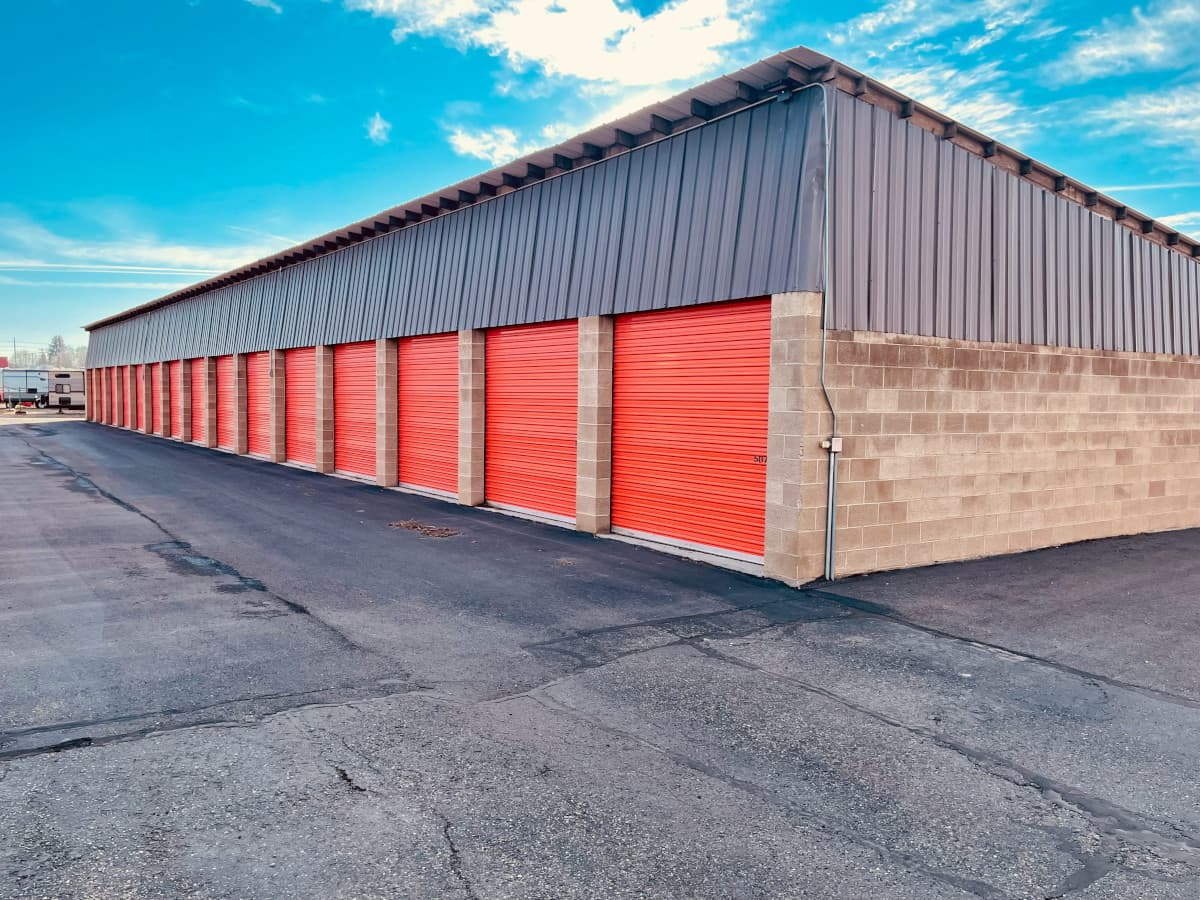
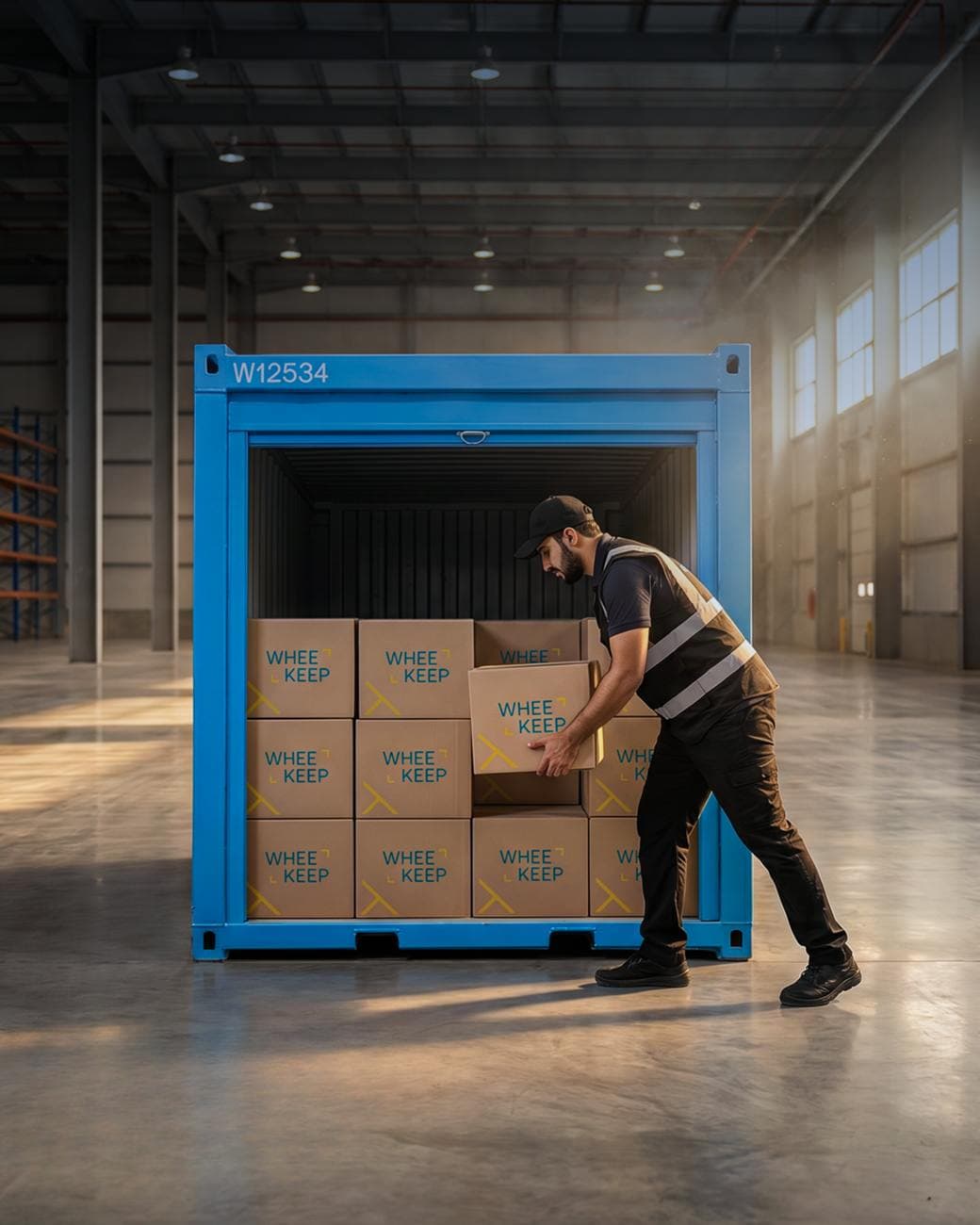
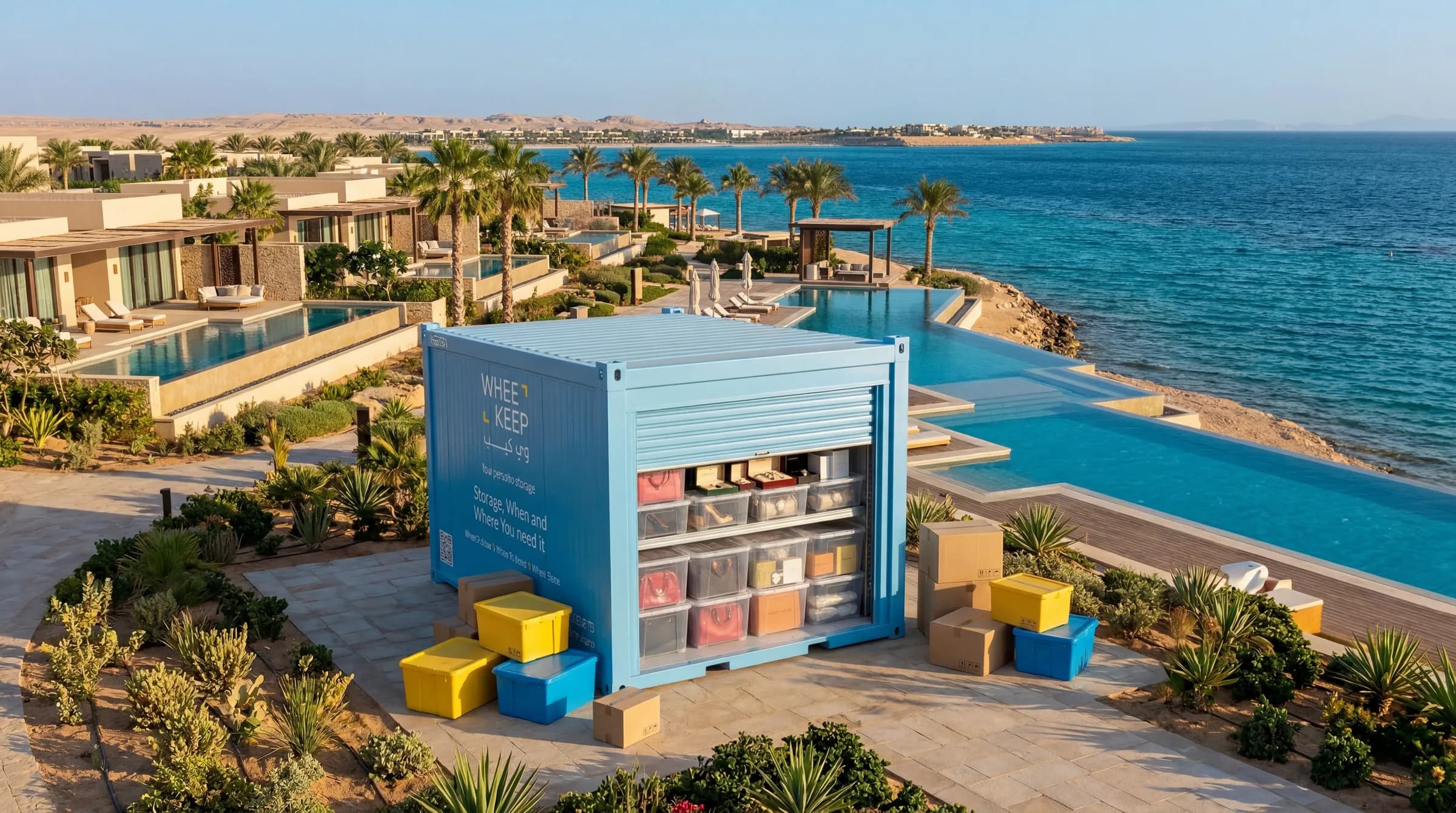
A professional storage unit addresses all of this. WheeKeep's storage units are secured, clean, and designed to hold household goods safely while your renovation is underway. The units include padlock security and CCTV surveillance as standard, which matters in a renovation context where your furniture may need to stay off-site for weeks or months at a time.
Understanding WheeKeep's Unit Sizes for Renovation Storage
Choosing the right unit size is a practical decision that homeowners often get wrong by underestimating volume. Here is a straightforward reference:
| Unit Size | Dimensions | Monthly Rate | Best For |
|---|---|---|---|
| Small | 2.4 × 1.5 × 2.35 m | 599 SAR/mo | ✅ One room's worth of contents, boxes, small appliances |
| Medium | 3.6 × 1.5 × 2.35 m | 899 SAR/mo | ✅ Two to three rooms, sofas, beds, wardrobes (most popular) |
| Large | 3.6 × 2.4 × 2.5 m | 1,289 SAR/mo | ✅ Full villa contents, large sectional sofas, multiple bedroom sets |
No long-term contract is required. You can cancel at any time, which is particularly valuable given how unpredictably Saudi renovation timelines can shift. Contractors rescheduling around prayer times, Ramadan periods, or material lead times from suppliers at Jeddah Islamic Port mean that a renovation planned for six weeks can easily stretch to three months. A flexible month-to-month storage agreement removes the financial penalty of that uncertainty.
WheeKeep Locations Serving Renovation Customers
WheeKeep operates at four locations across Riyadh and Jeddah, making it accessible for the majority of Saudi homeowners undertaking renovations in the country's two largest cities:
- WheeKeep Jeddah Hub (21.6187°N, 39.1309°E), serving Jeddah and surrounding districts
- WheeKeep Asfan (21.8081°N, 39.4308°E), serving northern Jeddah and Makkah corridor
- WheeKeep Riyadh (24.5585°N, 46.4742°E), serving southern and central Riyadh
- WheeKeep Boulevard Hub, Riyadh (24.7800°N, 46.6068°E), serving northern Riyadh, Diriyah Gate, and surrounding districts
Units are accessible Sunday through Thursday from 09:00 to 21:00, and on Saturday from 12:00 to 20:00. WheeKeep is closed on Fridays. Planning your move-in and retrieval schedule around these hours is straightforward for most renovation timelines.
Mid-article booking prompt: If your renovation is already underway and you are reading this while surrounded by displaced furniture, book a WheeKeep storage unit today, units are available on flexible monthly terms with no long-term commitment required.
2. A Room-by-Room Rotation Strategy: Using Your Own Home Intelligently
For homeowners renovating only one or two rooms at a time, a structured rotation strategy can reduce or eliminate the need for off-site storage during shorter phases. The key word is structured: ad hoc shuffling of furniture from room to room is what leads to scratched pieces and chaotic worksites. A deliberate rotation plan, agreed with your contractor before work begins, is a different approach entirely.
How to Design a Furniture Rotation Plan
Begin by mapping your renovation phases in sequence. If the kitchen is first, followed by two bedrooms, and finally the majlis, you can temporarily consolidate bedroom furniture into the living areas during the kitchen phase, then clear each bedroom sequentially. The critical principle is that furniture moves once per phase, not continuously throughout the project.
Designate a single "clean zone" in your home that remains completely off-limits to contractors and dust. This is typically the room furthest from active work. All furniture that cannot be placed in the clean zone goes to off-site storage. Never allow valuable pieces, particularly antique furniture, custom woodwork, or upholstered items, to remain in rooms adjacent to active tiling, plastering, or painting. Fine dust from these activities travels further than most homeowners expect, and it is almost impossible to fully clean from fabric upholstery.
When In-Home Rotation Stops Working
In-home rotation reaches its practical limit when more than 40% of your home's floor space is under active renovation simultaneously, or when your contractor requires access to the "clean zone" for any reason. At that point, the only genuinely protective option is off-site storage. Saudi villas and apartments in areas like Al Nakheel in Riyadh or Al Hamra in Jeddah often have compact floor plans relative to their furniture volume, making in-home rotation feasible only for minor works.
3. Covered External Storage: Balconies, Garages, and Outbuildings
Saudi Arabia's residential architecture frequently includes features that seem like natural storage candidates: large garages, covered car ports, wide balconies, and in villas, separate utility outbuildings. These spaces can work for very specific types of items, but they come with serious limitations that homeowners routinely underestimate.
What Can Safely Go in a Covered External Space
Metal garden furniture, plastic outdoor items, and sealed storage boxes containing non-sensitive items (tools, seasonal decorations, plastic kitchenware) can generally tolerate covered external storage during the cooler months between October and April. The criteria are straightforward: the item must be able to withstand temperature swings of 15–25°C within a single day, must not be susceptible to dust infiltration, and must not be valuable enough that its deterioration would represent a meaningful financial loss.
What Must Never Go in a Covered External Space
Upholstered sofas and chairs, solid wood furniture, mattresses, electronics, artwork, rugs, and anything leather should never be stored in an uncontrolled external environment during a Saudi renovation. A covered balcony in Jeddah during July is not a climate-controlled space. Temperatures inside a closed garage in Riyadh can reach 55°C or higher during peak summer, which will permanently damage wood joints, cause foam padding to degrade, and destroy electronics. Even items stored in the cooler months are vulnerable to the fine construction dust that spreads from an active renovation site.
The covered external space option is best understood as a supplement to a proper storage strategy, not a replacement for it. Use it for the items that genuinely do not need protection, and move everything else off-site.
4. Portable Storage Containers: A Niche Option for Large Renovations
In some markets, portable storage containers delivered to your property are a popular renovation solution. In Saudi Arabia, this option exists but operates within a more limited framework than in Europe or North America. Some moving and logistics companies operating out of Jeddah and Riyadh can supply ground-level containers for on-site temporary storage, but availability, pricing, and placement logistics vary considerably.
Where This Works in the Saudi Context
A portable container placed in a villa's driveway or compound can serve as an effective buffer during large-scale renovations where the homeowner does not want to move furniture twice (once off-site, once back). It works particularly well for standalone villas in areas like Al Rawdah in Jeddah or Al Yasmin in Riyadh, where driveway space exists and municipality access restrictions are more relaxed.
The Practical Limitations
Apartment dwellers in high-density residential towers, common across central Riyadh and the Corniche districts of Jeddah, have no practical ability to place a container on-site. Municipality regulations in some districts of Riyadh and Jeddah also restrict the placement of containers on public roads or shared compound areas. The container itself provides no climate control, meaning the same heat and humidity risks described above apply in full. For furniture storage specifically, a portable container is only suitable during the October-to-April window, and even then, daily temperature fluctuations create risk for sensitive items.
When comparing portable containers against a professional storage unit at WheeKeep, the unit consistently offers better protection per riyal spent, because it includes climate-appropriate indoor storage, 24/7 CCTV, and no dependency on external logistics providers for delivery and retrieval.
5. Family and Friends' Homes: The Social Capital Option
In Saudi Arabia's family-oriented culture, borrowing space from extended family is a genuinely common approach to short-term storage. A bedroom at a parent's home, an empty section of a relative's garage, or a storage room in a sibling's villa can serve as a free short-term solution, particularly for Saudi families with large extended households spread across the same city.
Making This Option Work Without Creating Problems
The social dynamics of this approach require more management than most homeowners anticipate. Set a clear end date from the outset, not a vague "once the renovation is done." Renovation timelines in Saudi Arabia are notoriously elastic, and a favour that was meant to last six weeks can become a six-month imposition. Agree on the specific items to be stored, not an open-ended "a few things," and ensure the host has the physical space without displacement of their own belongings.
Wrap everything before it enters the host home. Furniture arriving dusty from a construction site, or leaving marks on carpets and walls, damages relationships as surely as it damages furniture. Invest in proper furniture blankets, stretch wrap, and corner protectors before making any move between locations.
When Family Storage Fails
Family storage fails when the renovation runs long, when the host family's circumstances change (a new baby, a visiting relative from out of town, their own home project), or when the items stored are too bulky or too valuable to be adequately protected in a domestic setting. A large sectional sofa, a custom dining table, or a set of antique pieces are difficult to protect in a family home where children and daily life continue around them. For high-value items, a professional storage unit is always the better answer, regardless of how generous the family offer is.
6. Furniture Consolidation with a Moving Company: Combining Transport and Storage
Several moving and relocation companies operating in Riyadh, Jeddah, and Dammam offer combined moving-plus-storage packages where they transport your furniture to a warehouse facility for the duration of your renovation and deliver it back when you are ready. This approach suits homeowners who do not own a suitable vehicle for furniture transport and who want to hand off the logistics entirely.
The Advantages of a Combined Package
The main advantage is convenience. A single provider handles packing, transport, warehousing, and return delivery. For homeowners managing a renovation from a distance, such as expatriates coordinating from abroad or Saudi nationals overseeing a property in another city, this hands-off approach reduces the number of vendors to manage.
The Disadvantages to Weigh Carefully
Combined moving-and-storage packages from generalist moving companies typically store furniture in shared warehouse space rather than individual locked units. Your items are in a communal environment, often stacked, sometimes in conditions that are less controlled than a dedicated self-storage facility. Access to your stored items during the renovation period is usually limited or requires advance notice and an additional retrieval fee.
Pricing for combined packages also tends to be less transparent than self-storage pricing. The monthly cost can shift based on volume, distance, and the company's assessment of handling complexity. By contrast, WheeKeep's pricing is fixed and published: 599 SAR per month for a small unit, 899 SAR for a medium unit, and 1,289 SAR for a large unit, with no hidden fees and no long-term contract. For homeowners who want cost predictability across an unpredictable renovation timeline, self-storage with separate transport arrangements is often the more economical and transparent choice.
7. On-Site Furniture Staging with Professional Protection: When Moving Out Isn't Possible
There are renovation scenarios where moving furniture off-site is simply not practical in the short term: emergency repairs, landlord-directed works in a tenanted property, or single-day interventions that escalate unexpectedly. In these cases, on-site staging with professional protection materials is the fallback strategy.
The Materials That Actually Protect Furniture In a Live Renovation
Renovation-grade furniture protection is more substantial than most homeowners realise. The following materials form a functional protection kit for furniture that must remain on-site during active construction:
- Heavy-duty stretch wrap (at least 23-micron gauge): Wrap all upholstered surfaces completely, including the undersides of sofas and chairs.
- Moving blankets (quilted felt): Layer over wrapped items to absorb impact from tools, materials, and accidental contact.
- Plastic sheeting (at least 200-micron): Cover entire furniture groupings and tape to the floor to create a dust seal. Fine plaster and tile dust will penetrate any unsealed gap.
- Cardboard corner guards: Protect legs, edges, and protruding elements from trolley and cart impacts.
- Furniture sliders: Allow repositioning without dragging, which prevents leg damage and floor scratches.
Even with all of these materials in place, on-site staging is not equivalent to off-site storage. It is a risk-mitigation measure, not a protective solution. Dust from plastering, for example, is fine enough to penetrate most wrapping arrangements, and the physical presence of furniture on a worksite creates hazards for contractors and for the furniture itself. Treat on-site staging as a temporary bridge measure, not a renovation strategy.
Transitioning from On-Site Staging to Off-Site Storage
If a renovation that began as a "quick fix" expands into a multi-week project, which happens frequently in Saudi Arabia when contractors identify additional structural or finishing issues once walls are opened, shift to off-site storage as soon as the expanded scope is confirmed. The cost of a month at WheeKeep is almost always lower than the cost of repairing or replacing furniture that has been damaged by sustained construction exposure.
8. Selling, Donating, or Replacing Before the Renovation: The Radical Simplification Strategy
The final strategy is the one that most homeowners do not consider until they are in the middle of a chaotic move-out: using the renovation as an opportunity to reduce furniture volume rather than store it all. This approach is particularly relevant for homeowners in Saudi Arabia who are renovating with a view to reselling, who are upgrading to a larger property under Vision 2030 development schemes, or who are simply overdue for a furniture refresh.
What the Saudi Market Offers for Pre-Renovation Furniture Disposal
Saudi Arabia has a functioning secondary furniture market. Platforms like Haraj allow homeowners to list used furniture for local sale, and there is consistent demand in cities like Riyadh and Jeddah for second-hand sofas, dining sets, and bedroom furniture from both Saudi families and the large expatriate community. Charitable organisations and mosques in most major Saudi cities accept donated furniture in good condition.
The calculation is simple: if a piece of furniture costs 350 SAR per month to store and is worth less than 1,500 SAR on the secondary market, selling it before the renovation and buying a replacement afterward is often more economical than storing it. The renovation period also gives you the opportunity to select new pieces that better suit a refreshed interior rather than simply returning the same furniture to a newly finished space.
What Should Always Be Stored Rather Than Sold
High-value pieces, custom-made furniture, items with sentimental significance, and anything that would cost significantly more to replace than to store should always go into professional storage. The decision matrix is straightforward: if the replacement cost exceeds twelve months of storage fees, store it. If not, selling and replacing is worth considering. A large WheeKeep unit at 1,289 SAR per month costs approximately 15,468 SAR over twelve months. Any piece of furniture worth more than that in replacement value deserves the protection of proper off-site storage.
Storage During Home Renovation Saudi Arabia: Practical Planning Timeline
Planning when to move furniture, not just where to move it, is equally important. Saudi renovation projects follow predictable phases, and each phase has different storage implications.
| Renovation Phase | Storage Action Required | Recommended Timing |
|---|---|---|
| Pre-renovation planning | ✅ Book storage unit, arrange transport, buy protection materials | 2–4 weeks before work begins |
| Demolition and structural work | ✅ All furniture off-site, maximum dust and vibration risk | Day 1 of works |
| Plastering and tiling | ✅ All furniture remains off-site, fine dust phase | Ongoing until surfaces are sealed |
| Painting | ⚠️ Furniture can return to rooms not being painted | Phase-dependent |
| Final finishing and snagging | ✅ Begin retrieving stored furniture in sequence | Once room-by-room sign-off is confirmed |
| Post-renovation cleaning | ✅ Deep clean before final furniture placement | Before final unit retrieval |
One critical planning note for Saudi homeowners: if your renovation overlaps with Ramadan, build in additional time for every phase. Contractor working hours shift significantly during the holy month, with many teams working reduced daytime schedules. Material deliveries from port facilities in Jeddah and Dammam can also slow. A storage unit you booked for eight weeks may be needed for twelve. WheeKeep's no-long-term-contract model means you are never penalised for that kind of extension.
Protecting Your Furniture Before It Goes Into Storage
The quality of your furniture's condition when it comes out of storage is directly determined by the quality of preparation before it goes in. This section covers the practical steps that Saudi homeowners should take before loading anything into a storage unit.
Cleaning and Drying: Non-Negotiable Steps
Every item going into storage must be thoroughly cleaned and completely dry. In Jeddah's humid coastal environment, even residual moisture on fabric upholstery or inside wooden drawers creates conditions for mould growth within weeks. Vacuum all upholstered surfaces, wipe down all hard surfaces with a dry cloth, and leave timber furniture in a well-ventilated space for at least 48 hours before wrapping and loading.
For mattresses, invest in purpose-made mattress bags rather than using generic plastic sheeting. Mattress bags seal more effectively and are designed to allow minimal vapour exchange that prevents condensation build-up. Given that quality mattresses in Saudi Arabia can cost between 2,000 and 15,000 SAR, the cost of a proper mattress storage bag is negligible by comparison.
Disassembly: What to Take Apart and What to Leave Whole
Beds should always be disassembled for storage: slats and frames stored flat take up significantly less volume than assembled beds, and the act of disassembly allows you to inspect joints and fixings before reassembly. Dining tables with removable legs should be disassembled. Large wardrobes from brands like IKEA, which are common across Saudi households, should be fully disassembled since they are designed for it and store far more efficiently flat-packed.
Sofas and armchairs are generally stored assembled unless the unit size makes this impractical. Removing sofa legs reduces height by 15–20 cm, which matters when you are working within a unit's height limit. Keep all screws, bolts, and fittings in labelled zip-lock bags taped to the relevant item. Losing fixings is the most common cause of post-renovation furniture assembly problems.
Loading Order: The Strategy That Saves Time on Retrieval
Load your storage unit with the last-in, first-out principle. Items you will need first when the renovation is complete (beds, kitchen essentials) should be closest to the unit door. Items you will not need until the final phase (decorative pieces, artwork, seasonal textiles) should be furthest back. Draw a simple unit map on paper and tape it inside the door so retrieval is straightforward weeks later.
Place heavy items on the floor and lighter items on top. Never stack heavy furniture on top of upholstered pieces. Use the full height of the unit by placing lightweight boxes and loose items on top of stable furniture. In a medium WheeKeep unit (3.6 × 1.5 × 2.35 m), a well-organised load can accommodate two to three rooms of furniture comfortably, which covers the majority of Saudi apartment renovation projects.
Household Storage Saudi Arabia: Specific Considerations for Different Property Types
The Saudi residential property market is diverse, and furniture storage needs vary significantly based on property type, location, and renovation scope. This section addresses the most common scenarios.
Villa Renovations in Riyadh
Riyadh's villa stock, particularly in established neighbourhoods like Al Malqa, Al Nakheel, and Hittin, often combines large floor plans with substantial furniture volumes. A full-villa renovation in Riyadh can easily require a large WheeKeep unit at 1,289 SAR per month, or in some cases, two medium units. The advantage of Riyadh's villa typology is that garages and outbuildings provide reasonable on-site staging space for non-sensitive items, allowing the storage unit to focus on high-value furniture and fragile pieces.
Apartment Renovations in Jeddah
Jeddah's apartment market, particularly in districts like Al Shati, Al Rawdah, and Al Andalus, presents a different challenge. Apartment dwellers have no on-site staging space, and the combination of coastal humidity and building management restrictions on common areas means that furniture must either remain inside the apartment under protection or leave the building entirely. For Jeddah apartment renovations, storage units Jeddah at WheeKeep's Jeddah Hub or Asfan location are the most practical solution, with a medium unit at 899 SAR per month covering the contents of most two-to-three bedroom apartments.
Expatriate Households Across Saudi Cities
The expatriate community in Saudi Arabia, concentrated in Riyadh's Al Hamra and Al Aqiq compounds, Jeddah's North Obhur area, and Dammam's residential districts, faces additional considerations. Many expatriate households have leases that limit structural modifications, meaning their renovations are typically cosmetic. However, the presence of high-value international furniture (shipped from Europe, the US, or Southeast Asia) increases the stakes of storage decisions. A custom Italian sofa or a hand-made wooden dining set that costs significantly more than local alternatives deserves professional climate-appropriate storage, not a relative's garage.
Renovation During a Property Sale or Handover
Homeowners renovating in advance of a property sale, an increasingly common activity in Riyadh and Jeddah as the residential market strengthens under Vision 2030 housing initiatives, often need to store furniture for the full staging and selling period. Real estate agents preparing properties in Diriyah Gate-adjacent neighbourhoods or near the ROSHN residential developments frequently advise clients to clear furniture entirely for photography and viewings. In this context, a storage unit serves the double purpose of protecting the furniture and making the property show better, a direct financial benefit that justifies the monthly cost.
Furniture Storage Saudi Arabia: Cost Comparison Across Your Options
Making a financially informed decision about furniture storage requires an honest comparison of all available options, including their hidden costs.
| Storage Option | Typical Monthly Cost | Climate Control | Security | Access Flexibility | Risk Level |
|---|---|---|---|---|---|
| WheeKeep self-storage (medium) | 899 SAR | ✅ Indoor, controlled | ✅ Padlock + CCTV | ✅ Daily access within hours | Low |
| Family/friends home | 0 SAR direct cost | ⚠️ Variable | ⚠️ Informal | ⚠️ Dependent on host | Medium |
| Covered garage (on-site) | 0 SAR direct cost | ❌ None | ⚠️ Basic | ✅ Immediate | High (summer) |
| Moving company warehouse | Variable (often 1,200–2,500 SAR all-in) | ⚠️ Variable | ⚠️ Shared warehouse | ❌ Limited, often requires advance notice | Medium |
| On-site protection staging | 200–500 SAR one-time materials cost | ❌ None | ❌ No additional security | ✅ Immediate | High |
The hidden cost column that this table cannot fully capture is furniture replacement cost. A single damaged sofa, wardrobe, or mattress can cost 2,000–20,000 SAR to replace in the Saudi market, depending on quality. Viewed against that baseline, a professional storage unit at 599–1,289 SAR per month is not an expense but an insurance policy.
Frequently Asked Questions About Storage During Home Renovation Saudi Arabia
How long do most Saudi home renovations take?
Kitchen renovations typically run four to eight weeks. Bathroom renovations take two to six weeks. Full apartment refurbishments in Riyadh or Jeddah commonly take two to four months, and full villa renovations can extend to six months or more. Building in a 30–50% buffer on your contractor's quoted timeline is a practical approach given the frequency of supply delays and scheduling adjustments in the Saudi market.
Can I access my WheeKeep storage unit during the renovation?
Yes. WheeKeep units are accessible Sunday through Thursday from 09:00 to 21:00 and on Saturday from 12:00 to 20:00. You can retrieve specific items, add new items, or simply inspect your stored belongings at any point during the storage period within these hours.
What size storage unit do I need for a two-bedroom apartment renovation?
A medium WheeKeep unit (3.6 × 1.5 × 2.35 m, 899 SAR/month) comfortably handles the contents of a typical two-bedroom Saudi apartment when furniture is properly disassembled and the unit is loaded efficiently. For apartments with significant additional storage items, a second small unit at 599 SAR/month can supplement the medium unit cost-effectively.
Is it safe to store furniture in Saudi Arabia during summer?
In a professionally managed indoor storage facility, yes. In an uncontrolled external space such as a garage, balcony, or outbuilding, the Saudi summer (May through September) presents serious risks to wood, upholstery, leather, and electronics. Temperatures inside closed external structures can reach 50–55°C, which causes permanent damage to most furniture materials.
Do I need to wrap my furniture before putting it in a storage unit?
Yes, even in a clean indoor storage unit. Wrapping prevents surface scratches from other items, protects upholstery from dust accumulation during a long storage period, and helps maintain the condition of wooden finishes. Stretch wrap for upholstered pieces and moving blankets for hard furniture are the standard preparation for any storage period exceeding two weeks.
What happens if my renovation takes longer than expected?
WheeKeep's storage units operate on a monthly, no-long-term-contract basis. You extend month-to-month as needed and cancel when your renovation is complete. There is no financial penalty for an extended storage period, which is particularly valuable given how frequently Saudi renovation timelines shift.
Can I store white goods (washing machines, refrigerators) in a WheeKeep unit?
Yes. White goods can be stored in WheeKeep units. For refrigerators and washing machines, ensure they are fully defrosted, dried, and cleaned before storage. Leave refrigerator doors slightly ajar during storage (use a small wedge) to prevent mould growth inside the unit. Disconnect all water lines from washing machines before loading.
How do I transport furniture to a WheeKeep unit without a suitable vehicle?
Several furniture transport and small-removal services operate across Riyadh and Jeddah and can be hired for single-trip furniture moves. Local logistics platforms connect customers with van-hire and small-truck services for same-day or next-day bookings. WheeKeep's team can advise on transport options when you book your unit.
Is household storage in Saudi Arabia regulated?
Self-storage facilities operating in Saudi Arabia are subject to general commercial regulation under the Ministry of Commerce. There is no sector-specific storage regulation equivalent to some other markets, but licensed facilities operate within standard commercial compliance frameworks including fire safety, building standards, and consumer protection provisions.
What should I not store in a self-storage unit during a renovation?
Items that must not be stored in any self-storage unit regardless of the provider include: flammable or hazardous materials, perishable food, live plants, and any items prohibited under Saudi law. Practically speaking, renovation homeowners should also avoid storing highly irreplaceable items (original artwork, important documents, jewellery) in a storage unit without taking out appropriate insurance and using additional security measures.
Are WheeKeep units suitable for storing electronics during a renovation?
Yes, for most consumer electronics. The indoor, controlled environment of a WheeKeep unit is far superior to any external storage space for electronics. Pack electronics in their original boxes where possible, or use anti-static bubble wrap and clearly labelled boxes. Keep electronics away from the floor in case of any minor water ingress, placing them on top of furniture or on raised shelving within the unit.
How do I book a WheeKeep storage unit for my renovation?
Units can be booked directly through WheeKeep's website. WheeKeep operates locations in Jeddah (Jeddah Hub and Asfan) and Riyadh (Riyadh and Boulevard Hub). The booking process is straightforward, and units are available on a monthly basis with no long-term commitment required. WheeKeep's team can assist with unit size selection based on your specific renovation scope.
Key Takeaways
- Professional self-storage is the highest-protection option for furniture storage during a Saudi home renovation, particularly given the Kingdom's extreme summer temperatures and the absence of climate control in most on-site alternatives.
- WheeKeep offers three unit sizes at fixed monthly rates with no long-term contracts: 599 SAR (small), 899 SAR (medium, most popular), and 1,289 SAR (large), with padlock security and CCTV included.
- Plan storage two to four weeks before renovation work begins and build a 30–50% buffer into your timeline. Saudi renovation projects routinely extend beyond initial estimates.
- Never store upholstered furniture, wood, leather, mattresses, or electronics in uncontrolled external spaces during Saudi summers. Temperatures inside closed garages and outbuildings can reach 55°C, causing permanent damage.
- Proper preparation before storage (cleaning, drying, wrapping, disassembly, and strategic loading) determines the condition of your furniture when it returns home. Invest in this preparation step.
- For Jeddah apartment renovations, the WheeKeep Jeddah Hub and Asfan locations provide accessible storage units that resolve the lack of on-site staging space that apartment dwellers face.
- The hidden cost of not using professional storage is furniture replacement. A single damaged sofa or wardrobe in the Saudi market can cost more than six months of self-storage fees.
- Use the renovation as an opportunity to rationalise furniture volume, selling lower-value pieces through platforms like Haraj and directing storage resources toward high-value, irreplaceable items.
Make Your Renovation Easier with WheeKeep
A home renovation in Saudi Arabia is already complex enough without the added stress of managing displaced furniture in a construction zone. The most effective homeowners treat furniture storage as a core part of the renovation plan, not an afterthought, and they choose a storage solution that matches the scale and duration of their project.
WheeKeep's storage units in Riyadh and Jeddah are specifically designed for exactly this scenario: a secure, accessible, flexible solution that protects your furniture while your home is transformed. With units available from 599 SAR per month, no long-term contracts, and four locations across the Kingdom's two largest cities, WheeKeep makes it straightforward to clear your renovation site completely and retrieve your belongings on your schedule.
Book your WheeKeep storage unit today and approach your renovation with the confidence that your furniture is protected, accessible, and ready to return to a beautiful new space when the work is done.